VBB 386 Carolyn Brouillard: Embracing Your Untamed Truth!
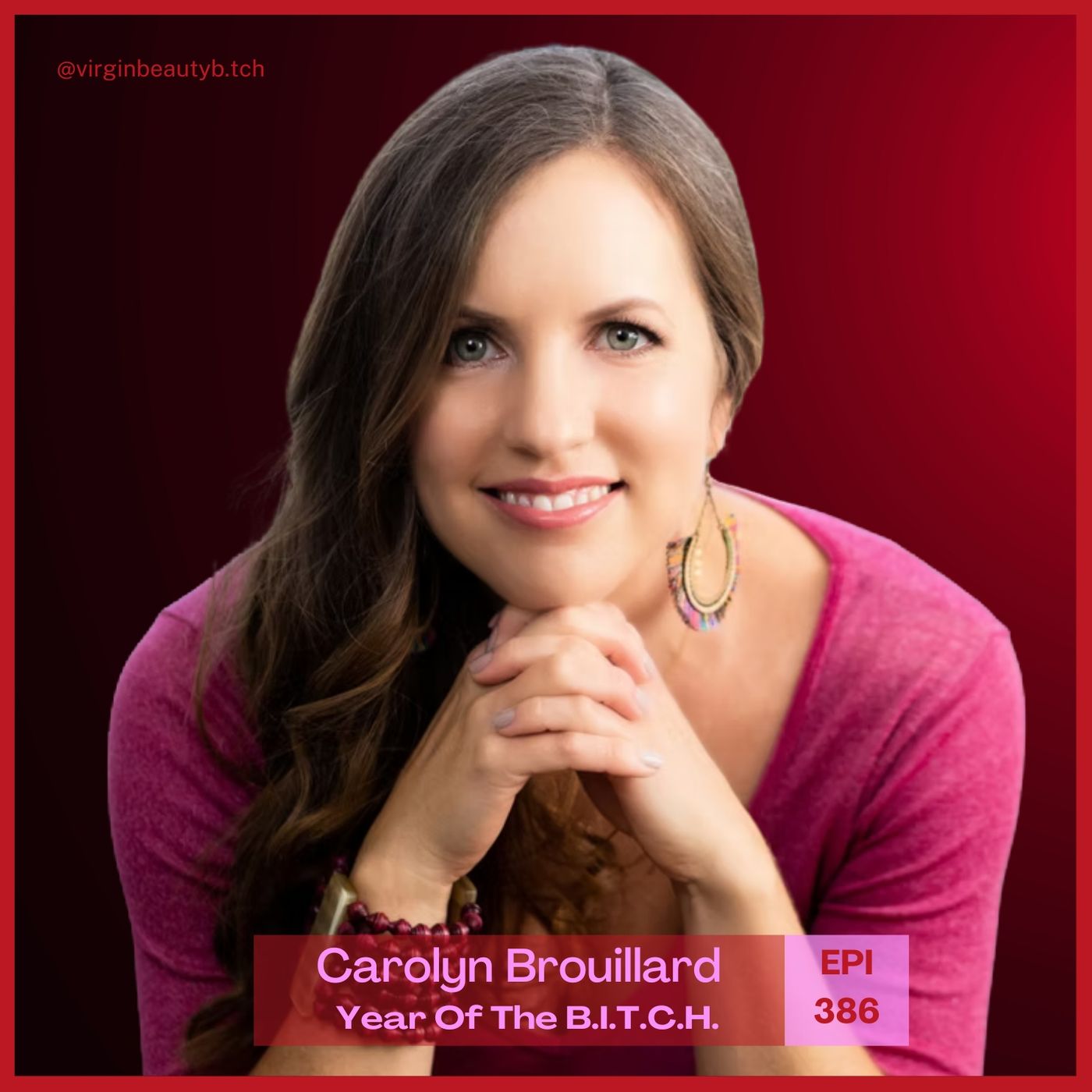
Carolyn Brouillard is an author whose work focuses on helping women reconnect with their authenticity and reclaim their self-sovereignty. She asks the hard questions to answer life’s toughest challenges.


Carolyn Brouillard is an author, publisher, and teacher who asks tough questions, such as “What would it feel like to truly love your life?” These are questions she faced in her three-decade-long journey in exploring consciousness and the art of authentic living.
Her expertise is hard-earned, forged at the intersection of radical rebellion, corporate leadership, and the hard-won freedom of self-sovereignty. By distilling her insights into a practical framework for personal transformation, Carolyn hopes to help others bring inner truth into their lived reality. She is the founder of Untamed Press and author of “Your Untamed Truths: Reclaiming Self-Sovereignty.” Are you ready to face your Untamed Truths?
QUOTE: "What would it feel like to truly love your life"?
Intro [00:00:01 - 00:00:19]
Virgin Beauty Bitch Podcast, inspiring women to overcome social stereotypes and share unique life experiences without fear of being defiantly different. Your hosts, Christopher and Heather. Let's talk, shall we?
Christopher [00:00:20 - 00:00:50]
Whatever is most true about you, the world will try to tame it. If, as a woman, you insist on self-sovereignty or being defiantly different, you risk being branded a selfish bitch. So how do you stay true to your personal calling and still command respect? That's at the heart of our conversation with author, publisher, teacher, and personal transformation visionary Carolyn Brouillard. Welcome, Carolyn, to Virgin Beauty Bitch.
Carolyn Brouillard [00:00:51 - 00:00:55]
Hello. Thank you so much for having me.
Christopher [00:00:56 - 00:01:32]
Now, Carolyn, I'm not sure if transformation visionary is actually on your business card, but you've distilled your personal growth journey into a program others can use to grow. Heather and I are in the draft stages of our own self-development platform based on 5 words: betrayal, identity, trust, change, and healing, or BITCH. We would love to explore how these steps might interlace with your Untamed Truth process, or which of these 5 words you most identify with.
Carolyn Brouillard [00:01:32 - 00:02:44]
Yeah, that's a great way to open this conversation. I think where I'll start is with the betrayal. But honestly, all of the B-I-T-C-H kind of fit in one way or another. I think we all have moments early on that teach us that it's not safe to be ourselves. And either it's not safe to stand up for our own needs, to ask for what we want, or there's something that happens that we're judged for or maligned for. And so our nervous system learns not to trust, essentially. We start building an identity around feeling safe and secure, you know, what's going to allow me to be chosen? What's going to allow me to have a sense of belonging? Where am I going to feel secure? Instead of the larger question, which is what's actually authentic to me? And so we start building these borrowed identities that obscure our own truth. Oftentimes, to the point, and I find this really sad, is that we develop this really complicated relationship with our own desires.
Carolyn Brouillard [00:02:44 - 00:03:59]
Because there have been so many different voices in our heads saying, it's wrong to want that, or it's unrealistic, or it's not practical, or you have this obligation, or all these expectations and obligations clouding our own sense of self. And so part of the healing process and the transformation process that I work with people on is learning to trust themselves again. Learning to connect with who they are, what matters most, why they're here, where their real joy lives, and what's authentic to them, and learning to trust themselves enough to choose what's in their greatest good. I call it protecting the circle of coherence. There are things that are aligned, and so much of our lives, I think, we go through just being activated and trying to placate everyone else instead of actually asking Is this for me? And is this aligned with what I wanted for my life? And that healing, I think, comes from giving ourselves permission to take care of our own needs, to follow our own dreams, to reconnect with the passions in our hearts, and be willing to keep choosing that even in the smallest choices.
Heather [00:04:00 - 00:04:33]
I appreciate that you've kind of right off the bat talked about these identities that we take on or performances that we feel are necessary. So, you know, when, when you talk about learning how to trust yourself, I think that you prefaced it by saying that first of all, understanding the ways that we're performing rather than actually tapping into who we are and what we want, you know, is the veil, if you will, or the gray cloud around us that sometimes you can't see through the fog or through the mist.
Carolyn Brouillard [00:04:33 - 00:04:33]
Yeah.
Heather [00:04:34 - 00:04:46]
So, you know, in your book and your work around that, or people that you've worked with, what can you offer as helpful kind of pinpoints of people that may be still lost in the fog?
Carolyn Brouillard [00:04:46 - 00:05:53]
Sure. And there's a lot, there's lots of ways, sort of pathways back to the self. So the frame— but the framework that I've developed- it's just one way, but it attempts to consolidate what for me was a really messy, sometimes chaotic and painful process of understanding what I was actually believing about myself. And so the process that I work through is, I call it the Untamed Truths Framework. And the first part is your blueprint of being. And that's, like I said, being clear on who you are, what matters most, why you're here, really connecting with yourself to remember what your dreams are, what brings you joy, where you feel the most energy, and, you know, what's really calling you forward. And like I said, a lot of times that is beneath the fog. And so it just takes putting yourself out there and turning within, but also just being willing to tell yourself the truth.
Carolyn Brouillard [00:05:54 - 00:07:03]
A lot of times, and I have exercises in the book that try to pull this out for people, of like, when have you felt the most proud of yourself, for example? You know, give me an example of a time that you really shined, versus also looking at where have you felt the greatest self-betrayals, like where you really let yourself down, the things that you couldn't let go that eat at you night after night after night, and looking for the common themes, 'cause a lot of times, You know, our wound is our greatest medicine. It's like 2 sides of the same coin. Our greatest passion is also where we feel the greatest hurt. And so the book offers exercises just to help people ask themselves poignant questions and be honest with themselves about what they really want and where they've been getting in their own way and holding themselves back. And it also clarifies sort of how you want to live your life. You know, most of us at least have a period in our lives where we just go through the motions. You know, it's the daily grind. One day looks the same as the next as the next, and it's really hard to imagine a different future for ourselves.
Carolyn Brouillard [00:07:03 - 00:08:12]
But I think it's really important to expand our sense of what's possible. And so there's a section in there about dreaming and allowing yourself your aspirations and really connecting with what is it that lights me up? What would I love to do? For a moment, take away how I'm going to make money and all the ways that we talk ourselves out of this or think we need to have it absolutely figured out before we move ahead, and just connect with that dream and that light inside us. And then the second part of the book is really around helping people identify the limiting beliefs and what I would call those self-betrayals. It's like we know our truth, we know what we want. And there are all these small ways in the course oftentimes of a day that we choose against that. We set it aside, we put it on the back shelf, or we're actively going against our own good. And sometimes that is because we're afraid of being called a bitch or selfish or whatever it is, or we just don't think it's possible. But it's really important that we start to see the stories that we're telling ourselves.
Carolyn Brouillard [00:08:12 - 00:09:16]
Some common ones, it's like, I'm not worthy unless I'm giving. I have to prove myself to belong. It's not safe to be me. I can't, you know, all these ways that we've layered these identities and these self-limiting beliefs on ourselves about who we are and what we can and can't be and do, and trying to choose differently. You know, so there are so many choices in our day where we have the option to let the old story repeat and just keep letting that pattern cruise along, or just saying, you know what, what is, what is my, where's my heart guiding me here? What does my intuition say? What is it that I really want? Is this a yes or a no? Sometimes that's the biggest question in my day: if I'm struggling with something, a sense of obligation, do I wanna do this? Do I not? Is this the right fit for me? I just sit down and just say, is this a yes or a no? And usually we know in that moment. We've just been taught to ignore it.
Christopher [00:09:17 - 00:09:38]
So I just want to get a sense of who you are. We hear who you are now. I want to get a sense of who you were. Who was that identity? And reading your book and, you know, learning a little bit more about you didn't start with this mindset.
Carolyn Brouillard [00:09:39 - 00:09:39]
No.
Christopher [00:09:41 - 00:09:50]
So maybe walk us through what your personal journey was in now living this life that you actually know yourself.
Carolyn Brouillard [00:09:50 - 00:10:31]
Yeah, that's such a nice thing to reflect back on. Um, and there's lots of different ways I could take it, but I'll, I'll start with here. You know, I, I think I always had a sort of wild and restless spirit as a child. I hated being told what to do. I just was largely a free spirit. And I had a big imagination. But, you know, as childhood goes on, things happened, and I started picking up beliefs about what was possible. And as that happened, you know, those stories start solidifying through repetition.
Carolyn Brouillard [00:10:31 - 00:11:09]
And so I'm going to fast forward a little bit to my late teens. And I finally felt like I was connecting to myself. Like, I was in college, and it felt a little smothering. I wasn't sure what I wanted to do. And so I actually dropped out, and I headed west with only a backpack and started riding freight trains and hitchhiking and sleeping under bridges and under the stars. And just to me as an 18-year-old, that was freedom. And I thought that's where I was going to find happiness. And so that's been the common thread, looking for happiness in sort of all the wrong places.
Carolyn Brouillard [00:11:09 - 00:11:44]
And I wasn't happy there. There were a lot of things that interfered with that, but largely my own mind. I was still running beliefs. I felt a sense of competition with the people that I was hanging out with because they had been traveling longer. I felt inadequate. I was still carrying the self-worth deficit that kept showing up. And so eventually that kind of played itself out, and I went back to college, and that was sort of another pivot point. I always wanted to be an author.
Carolyn Brouillard [00:11:44 - 00:12:39]
I've been a writer ever since I could pretty much spell. And I majored in English, but also in environmental studies. I cared a lot about the planet. And when I graduated, the doors opened more on the environmental side. And so I let my— the voices of my parents and other people who I think had the best interests in me, uh, for me, but I let them talk me out of pursuing what I really wanted, which was to have to do writing. And so I ended up going to work on the environmental side, first in government, and then I went into a corporate environment. And that's really where things— I feel like I lost myself. The aspects of myself that were insecure, all those insecurities got triggered.
Carolyn Brouillard [00:12:39 - 00:13:15]
And so I got very competitive. I got very material-focused on titles and status and promotions. And I spent my whole 30s climbing the corporate ladder thinking that that's where I would find happiness. Basically, it was like if I just had enough money, I could buy all the happiness that I wanted. I could take the trips, I could do this. And I had everything that most people say, which should have made me happy. I was married, I had a nice house, I had a good career, I had some friends. And around my 40th birthday, that whole facade just started crumbling too.
Carolyn Brouillard [00:13:15 - 00:14:14]
And I had this moment of like, Is this really what I wanted for my life? Like, where did my dreams go? And looking ahead, it was like, do I really want to keep doing what I'm doing and just kind of chasing something that feels so empty? And it was like, as soon as I would reach one milestone I set for myself, I was unsatisfied. Like, I'd have a moment of achievement, and then it was like, what's next? What's next? And some of that's just a natural drive, but for me, it was filling a hole. And so I finally decided, you know what, I'm a writer, I'm a creative. I don't like that I'm working 50 hours a week and I'm getting on a plane every Monday. And, um, I want to explore something else for myself. So in a big shift over the course of about a year, I made a big shift and quit my corporate career. I got divorced. I moved states. Then I moved states again. Then I moved states again. And what I've created— there was a big period of adjustment there where scarcity thinking came in.
Carolyn Brouillard [00:14:15 - 00:14:53]
Still, I had tied my worth to my productivity and my status. And so when I didn't have that anymore, there was an adjustment period of being like, who am I? Like, what is it that I want to do? And I leaned into the writing. And also just into myself. And so I got out in nature as much as I could. And I just really asked myself a lot of questions. I spent a lot of time getting to know myself. And so over the last 5 years, it's been a gradual process of just coming home to my own truth and having enough trust in myself that I can handle whatever comes.
Christopher [00:15:11 - 00:15:11]
Yeah.
Carolyn Brouillard [00:15:11 - 00:16:23]
Knowing that I will choose what's good for myself, not exclusively and not all the time. I still definitely have my learning opportunities, but I've learned to listen to my body and my intuition and to know when something's good for me and when it's not. And as I think I might have mentioned earlier, I call it the circle of coherence. It's sort of what protects your truths. And so I ask myself, not just is this a yes or no, but is this mine? Is this truly my desire? Or am I acting out of obligation or expectation or pressure, the other voices in my ear? And is this aligned? Like, how does this moment line up with what I want for my life? And so far, so good. I mean, I definitely have rocky patches, but I've created a life where I wake up when my body wants to wake up, I ask myself what would bring me joy, I step out in service when it feels inspiring to do so. And probably the biggest thing that changed is I'm honest with myself. I tell myself the truth as many times a day as I need to about what's really going on.
Heather [00:16:24 - 00:17:30]
I love that you call it untamed truths. Because, you know, to me, being untamed means like that little girl that you were talking about that, you know, was wild and free and experiencing the world before all of the true expectations or parental guidance started to really set in. Because I think that you also touched on comparison, right? Comparison to what other people are doing, saying, thinking. We live in a world where social media is, you know, in a lot of people's everyday lives. And I feel like the comparison is one of the fastest ways that we really do disconnect from ourselves, from those untamed truths. It's like if I'm trying to keep up with the Joneses, or whatever that saying is, then are you really looking towards what's mine and what's next on my path?
Heather [00:17:30 - 00:18:21]
And so, I'm interested to hear from you. I feel like these things are easier said than done. Like this comparison for women, I think there’s so many layers to it. Like there's clearly familial, right? Then there's beauty, beauty standards. There's balancing what she wants of her own ambitions and what she may also want with her family life and making those things work. So, I just think that a lot of women have noticed that there's a lot of internal tension, but not necessarily being able to draw those stars in the sky, their own little constellation, and pull them together to make a roadmap. But I guess like, you know, when you're trying to not like push out those other voices, but to acknowledge their presence and still move in the direction that's aligned to you, what have you found to be useful in that process?
Carolyn Brouillard [00:18:22 - 00:18:55]
Well, I'd love to give an example even just from this week, because, as I said, you know, this stuff comes up all the time. Mastery is a process of repetition, and life is always giving us opportunities to get to know ourselves better and make better choices. So, this week, I had a situation where— that triggered my sense of competition and scarcity, where I had a feeling like, oh, I'm going to be excluded, or—I'm trying to kind of protect the details here, but basically my brain went into its old story of like it's a zero-sum game, like there isn't enough room for both of us. And one of my old stories was when people are forced to choose, I lose, like I'm not the chosen one. And, you know, some of that goes back to I'm a twin. So it's like attention was kind of limited. Like, I didn't even have the womb to myself, you know.
Carolyn Brouillard [00:19:39 - 00:20:14]
And then my mom had triplets. And so there were 5 kids under 4. So that created a certain dynamic. And just for whatever reason, you know, certain things happened that I internalized as in my child's mind that when attention is scarce, when resources are scarce, I'm threatened. And like, I have to outcompete in order to have what's mine kind of thing. And so this situation this week, the first step was I just felt it. I allowed myself to feel it. I said, wow, I'm having a nervous system activation here that I'm feeling upset. I'm feeling threatened. I'm feeling insecure. And just noticing the feeling.
Heather [00:20:14 - 00:20:14]
Yeah.
Carolyn Brouillard [00:20:16 - 00:20:40]
And I know for a lot of people that can be difficult. We're so used to pushing away discomfort, pushing away anything that's going to challenge our sense of normalcy. But I think it's just so important to honor the messages that our emotions and our body are giving us.
Christopher [00:20:40 - 00:20:41]
Yeah.
Carolyn Brouillard [00:20:41 - 00:22:15]
And so, as I said, in this situation, I just acknowledged, I said to myself, I'm feeling this, and this is okay. And then I asked myself, I got curious with myself, and this is part of the process of telling yourself the truth of like, what are the facts of this situation actually? And is there another way to look at it, and what's really happening here? And when I got curious and sat with it, and I journaled for a little bit, I realized that this was the old story activating and going into zero-sum mode and feeling like, you know, I was going to be like, lose something that, not have my need met and lose something that was important to me. And just even breathing and looking at the situation more objectively, it's like, okay, what's on my side of the ledger? And what's actually happening here. And in that situation, it's also admitting like, I don't know why this person chose to do that, or is choosing to do this. And I can't know. And so that's none of my business really right now. It's more just what's going on inside me. And how do I want to bring a new perspective to this? What's actually true for me here? And I think the old me would have gone into competition mode, tried to like be strategic and undermine and, you know, try to manufacture the outcome that would return my sense of safety.
Carolyn Brouillard [00:22:16 - 00:22:37]
But instead I just decided, like, okay, well, this is in this case an event that I'm not going to attend. And really that's all I need to do. And I don't need to spend days agonizing over this. No one did anything to me, and it's really just my perception of a threat that doesn't exist.
Christopher [00:22:38 - 00:22:43]
That's the saddest part, isn't it? Is that a lot of times we're just our own worst enemies.
Carolyn Brouillard [00:22:44 - 00:22:45]
Exactly. Yeah.
Christopher [00:22:46 - 00:22:53]
When did you learn— when did you discover that you were worthy of trusting yourself?
Carolyn Brouillard [00:22:54 - 00:24:02]
Honestly, it's a slow, it's been a slow process. It's one of the most devastating things in my sort of introspection in the process of writing my book was my own realization that yes, plenty of things have been done to me by other people, but my nervous system doesn't necessarily trust me. Like, I am the threat because I'm the one who's made the choices that have thrown myself to the wolves. And that doesn't excuse; I'm not at all saying that that excuses bad behavior on anybody else's part, but it really came into that self-sovereignty and empowerment to say, you know what, I need to start trusting myself to make the right decisions. I need to start making the decisions that are right for me. I need to start showing up for myself consistently. And in my authenticity, and not putting myself in situations that are going to be challenging to me or just recreate the old patterns. I call it in the book, kicking the hive.
Carolyn Brouillard [00:24:02 - 00:24:15]
It's like there's this bee's nest, you know you're going to get stung, and you know what's going to happen. And just for whatever reason, as you said, being your own worst enemy, it's like, I'll just go because some part of me wants the drama. It, you know, it wants the adrenaline hit. It wants that weird satisfaction of, like, see, I knew that would happen. And it's like, well, guess what? It is. It will happen. And so, yeah, it was just a process of choice by choice honoring myself until my nervous system really started to trust that I will protect myself. I will stand up for what's important to me. I will leave situations that don't feel safe or aren't honoring. You know, in a sense, it's like we're kind of like that shelter pet that you take home that's been abused or neglected. It just takes time of gradual self-love and patience and a ton of self-compassion.
Heather [00:25:09 - 00:25:10]
Yeah.
Carolyn Brouillard [00:25:10 - 00:25:26]
That's, that was a really big piece here is learning to just forgive myself and give myself grace for all the things that I could look back at that, that just weren't the greatest decisions to make in my life.
Heather [00:25:27 - 00:26:08]
I think it makes me reflect on something you had said earlier, like when you're looking at what's ahead of you and kind of boiling it down to, is this a yes or no? Is this for me or not, right? And to be honest with yourself, that untamed truth about really asking yourself that question. But I think for a lot of women, the no, the like saying no to yourself, to others, to society, to expectations, to the sense of belonging when it isn't about your authentic self but about fitting into a stereotype or a norm or a status quo that makes you feel safe, that saying no is part of what Christopher and I are doing with this Year of the Bitch.
Carolyn Brouillard [00:26:08 - 00:26:08]
Yeah.
Heather [00:26:09 - 00:26:54]
And for us, bitch is not about cruelty. It's not about being unreasonable. It's not about hurting other people. It's tapping into that part of yourself that knows what you are, who you are, what you want, and what you stand for. And being able to go to a no, without a 12-page apology or feeling like you need to compensate in another way for saying that no. And I feel like it's the tip of the iceberg. But there is so much in being able to stand true to yourself in that way and not self-abandon because it feels maybe easier or like the path of least resistance. Getting comfortable in some of the resistance is so important to us.
Carolyn Brouillard [00:27:00 - 00:27:43]
I so agree. I love the way you said that. And it's true. You know, saying no, I think a lot of people treat no as a confrontation, or they see it as inherently aggressive. And sometimes, you know, for a lot of women, saying no has been actually dangerous. You know, there can be repercussions when you stop playing the role that somebody wants you to play, or you stop accommodating things that you used to accommodate; people don't always respond favorably to that. And, you know, everyone has to use their own judgment and discernment on how to do that.
Carolyn Brouillard [00:27:43 - 00:28:42]
But I think women have become— women in particular- our nervous systems and just our sense of self, we get so hypervigilant to what might be off, where we're out of harmony, where there might be a threat that we censor ourselves before someone else can. And so we're saying that yes when we really mean no. When, you know, perhaps you've both had the experience, is that a lot of times we fear saying no so much more than the situation warrants. Like even saying no to like an assignment at work, you think you're going to get fired or something, and your brain goes to this worst-case scenario when a lot of times the response is just okay. You know, and the more you keep doing that, I think again, it's the trust, but it's also rewiring other people's behavior toward you sometimes.
Christopher [00:28:42 - 00:28:42]
Yeah.
Carolyn Brouillard [00:28:43 - 00:29:03]
You know, we can't control them. But if you're the person who always says yes, guess who they're going to keep asking? You know, whereas if you teach people that you have boundaries, and you have self-respect, you know, those— they'll either learn to respect that, or they'll walk. In both cases, I think that's a positive.
Christopher [00:29:04 - 00:29:36]
I think you had an unfair advantage. Here's why I say that. It seems you were born a free spirit. You didn't need the others to confirm or, you know, go along with everything that you wanted to go along with. You broke away from the mold. You did things that most people wouldn't even dare to do. So you grew like an immune system to what a lot of women, especially, are conditioned to respond to. You had a preconditioning that allowed you to not fall into that trap. So I can see how difficult— we talk to women all the time about this, about that conditioning that makes it so difficult. for them to look out for themselves, to say what it is that's actually on their mind, to do what it is that they actually want to do, because they're going to let someone else down, they're going to disappoint somebody else. That is so, so difficult. So, thank you for walking us through that and acknowledging that. I think that's very important.
Carolyn Brouillard [00:30:22 - 00:31:18]
Yeah, my pleasure. And the only other thing I would add to that is I think it is a fine line. Like, on the one hand, I agree with your kind of observation about me. I was this naturally independent, wild spirit, but there was still a wound there. So again, it's like sometimes the wound and the medicine are two sides of the same coin, because I think feeling like attention wasn't available or all the care that I would have wanted wasn't available, I became very self-reliant. And there were times in my life where I overcorrected to the point of thinking, I don't need anybody. And you— I tended to self-isolate. And then there's a healthier expression of that and a more balanced expression and appreciation.
Carolyn Brouillard [00:31:18 - 00:32:02]
I think this is part of where the healing can come in. Is that instead of telling your story where, you know, oh, I didn't have the attention or the affection that I needed growing up, or these are all the things that happened to me and this is why I am, is where you can see the gifts. It's like, yeah, being one of 5 kids, I learned to take care of myself. I learned to entertain myself. I got comfortable with my own presence. And that served me very well in my life. I've oftentimes had to make my own decisions. And even within my family in different contexts, I took on a kind of leadership role, which I think served me.
Carolyn Brouillard [00:32:02 - 00:32:42]
And again, it's— that wasn't so much of an adaptation, but a way that I could express what was authentic to me. And so I think, you know, whether it's looking at our childhood from a new perspective, or just looking now, it's like, what are the gifts that I am here to bring? And once we're not saddling those gifts with guilt, or other people's expectations, or leaking our energy to, I got to do this, I got to do that, I have to be all these things for other people.
Christopher [00:32:42 - 00:32:42]
Right.
Carolyn Brouillard [00:32:42 - 00:33:27]
Our gifts can be more fully expressed. Like when we're aligned, there's just so much more energy and power and motivation and happiness available to us. Sometimes I like to say, the joy isn't the reward, it's the compass. And so where is it that your gifts give you joy? What is it that wants to express through you, and how can you make small changes in your life? Or big ones like me, you can just tear your life down to the studs. But I don't necessarily recommend that to everybody. But yeah, it's like, what are the small choices that you can make to honor yourself and lean into your gifts?
Christopher [00:33:28 - 00:33:41]
It's not always the destination. Take a look at the journey as you're on it, please. I wanted to ask you about your relationship with this word that we are so involved in this year. Your relationship with bitch, what has that been like?
Carolyn Brouillard [00:33:42 - 00:34:57]
Yeah, well, I was called that quite frequently growing up. It's— some of your listeners may remember, I'm dating myself a little bit here, but there was this movement in the early to mid-'90s called the Riot Grrrl movement. So, I identified as a radical feminist growing up, and I was a Riot Grrrl, and was really into Bikini Kill, and just all the, like, female-fronted themes, and marched on Washington with, you know, black marker written on my belly and things. And so, I embraced bitch when I— as a teenager. But at the same time, I feel like that was doing double duty. It was, it was almost a way— it was a reclamation of the word, but I think there was also a hurt there. It's like, okay, you think I'm a bitch? Well, I'm gonna be the biggest bitch that, that, uh, you've ever met. And, you know, I'm actually a pretty nice person, but I was very outspoken and kind of made that part of my identity.
Carolyn Brouillard [00:34:58 - 00:36:17]
And it shifted a little bit, though, in the corporate world because being a bitch when you're just a rowdy teenager and don't have a lot at stake is one thing, but being considered ambitious, which some people might put in the bitch category or self-centered, which really just means, like, committed to my own good a lot of the times, you know, not at the expense of other people, but that's where it actually did start holding me back. And I can acknowledge and take responsibility where my own wounds were running the show, and I didn't show up the way that I maybe would have liked to. But yeah, it's— I've had a complicated, I guess, a complicated relationship with that word. I don't fear it anymore. I don't really get called it anymore, but I don't think it's something to be feared. And I love that you guys are bringing so many different people from different backgrounds and perspectives onto the show to talk about their experience with that word and the different aspects of it in Betrayal, Identity, Trust. Change, Healing.
Carolyn Brouillard [00:36:17 - 00:36:48]
Because I do think that word is just another way to keep women in a cage, basically, and tell them what is and what's not acceptable, and to blame them for their own needs and their own personality. And really, it can be a tool of subjugation. And both imposed from outside and from within. So I think this is really important work that you guys are doing.
Christopher [00:36:48 - 00:36:59]
Thank you. Thank you. I see so many parallels to what it is you're doing as well. So tell us about your Untamed Truths: Reclamation, Self-Sovereignty.
Carolyn Brouillard [00:36:59 - 00:37:01]
Are you asking about the book?
Christopher [00:37:01 - 00:37:08]
Yeah. And your work as well. Give us a rundown on what it is and how people can take advantage of what it is you offer. Sure.
Carolyn Brouillard [00:37:09 - 00:38:09]
Well, the question I have on the back of the book is, what would it feel like to truly love your life? And that's my wish for humanity writ large. I want everyone to know freedom. I want everyone to know what it feels like to be the creative director of your own life, to connect with your own authenticity, to be clear about who you are and allow yourself to shine your brightest light. No one is served when we make ourselves smaller, when we make ourselves dimmer, when we hold back out of fear. You know, I think now's the time, whether you want to call it the Age of Aquarius or the 5th dimension or just a period of great change, that we need people showing up in their full light, in their brightest truth. And so I wrote this book. It was just, like I said, I always knew I wanted to write a book, but the idea just showed up one day.
Carolyn Brouillard [00:38:09 - 00:39:25]
The framework was there. It was like this download where everything I had been through in my life and all the years of studying consciousness and working on myself and going through coaching training and coaching other people kind of coalesced into a framework that hopefully makes this personal transformation approachable. You know, a lot of people, they just don't know where to start. And so there are exercises, you know, people can read the book and not do the exercises, but I think you get the most out of it by really taking the time to sit down and get to know yourself again. And again, tell yourself the truth. And what I'm hearing from readers is just that it's like they're learning to see themselves in a new way. They're learning to identify where they've let other people's voices become louder than their own. And they're catching themselves in the small choices of their daily lives, you know, asking themselves if this is really a fit and what's going to serve them. So it's for anyone who just wants a little bit of structure and handholding as they go through the self-discovery process.
Carolyn Brouillard [00:39:26 - 00:40:41]
That's really who I wrote the book for. It's like, let me be your friend, let me be your coach, let's tell the truth together and walk through it. And I give so many personal examples of both where I've gotten it right and where I've gotten it wrong and where I trip up. It's because there's no shame in any of this, you know. It's— there's nothing to feel bad about, about your own journey. It's just, is your— what I'd like to ask people is, is your life worth it? Are you worthy of your own happiness? Can you see yourself as someone who deserves joy and to live up to their fullest potential? And, you know, that's what motivates my heart: just seeing people come home to themselves. And ultimately, that's what this world needs: people who are standing in their integrity, you know, willing to be in their authenticity, allowing their gifts to show up however they want to show up without being forced into, you know, a materialistic, capitalistic corporate environment if that's not what they want. You know, so many people are living lives that were designed by somebody else.
Carolyn Brouillard [00:40:42 - 00:41:06]
And they get to the end of their lives. And as you know, as we hear all the time, that's what people regret. You know, it's what they didn't do, and the time they didn't spend with their loved ones, and the dreams they deferred. You know, I think it was James Baldwin who had that quote, like, what happens to dreams deferred? And I don't want people to know that pain.
Heather [00:41:06 - 00:41:06]
Right.
Carolyn Brouillard [00:41:07 - 00:41:11]
I want them to live the best life that they know how.
Christopher [00:41:11 - 00:42:15]
Well, I think in a lot of cases, people need an example. They need either a mentor, they need someone ahead of them who has lived where they are right now, and they can see that that person is standing in the light where they're standing in the dark. So, we appreciate that you went through the dark and have chronicled walking through the dark so they can step faster into the light. So, we appreciate having this conversation with you so much. It's so much— I want to call you a soul sister in the sense that we seem to have the same vision for humanity, really. And getting people the opportunity to be the best of themselves. And you laying out the footsteps, the work that needs to be attended to in order to get there. So we appreciate you very, very much.
Christopher [00:42:15 - 00:42:16]
Thank you for doing this.
Carolyn Brouillard [00:42:17 - 00:42:30]
Well, likewise. I said I've been looking forward to this conversation all week and was thrilled to get the invitation and have really been enjoying listening to past episodes of your show. So, thank you for all that you're doing.
Christopher [00:42:30 - 00:42:31]
Thank you.
Heather [00:42:31 - 00:42:39]
Yeah, truly, it's been tremendous. So many gems throughout the entire episode. So, it's been a pleasure to get to know you better.
Carolyn Brouillard [00:42:40 - 00:42:40]
Likewise.
Christopher [00:42:40 - 00:42:41]
And you have been listening to...
Heather [00:42:42 - 00:42:42]
The Virgin.
Christopher [00:42:43 - 00:42:43]
The Beauty.
Heather [00:42:44 - 00:42:48]
And the B.I.T.C.H in her year, Year of the Bitch.
Christopher [00:42:48 - 00:42:58]
2026. Find us, like us, share us. These conversations continue, and, uh, we would love to hear from you as well.
Christopher [00:42:59 - 00:43:20]
To become a partner in the VBB community, we invite you to find us at virginbeautybitch.com. Like us on Facebook, Instagram, and LinkedIn, and share us with people who are defiantly different like you. Until next time, thanks for listening.
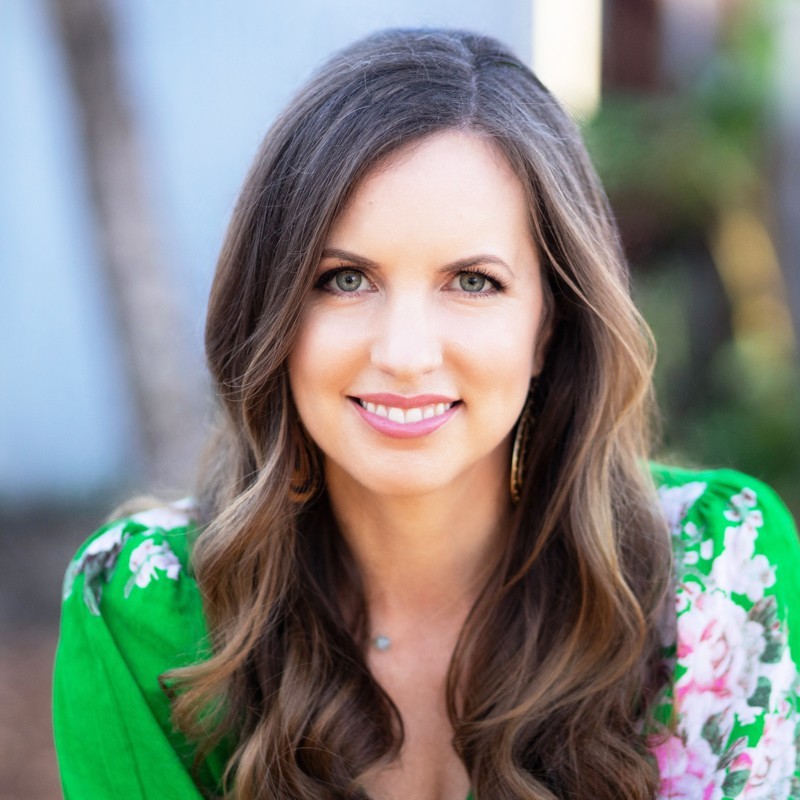
Author | Publisher | Teacher
I call myself a corporate dropout turned author and teacher. My expertise is forged at the intersection of living extremes, from riding freight trains as a rebellious teenage punk to climbing the corporate ladder as an ambitious young woman to reclaiming self-sovereignty as a successful yet unfulfilled lover of life.
My work today bridges spiritual insight and real-world application through practical frameworks for personal transformation. As the founder of Untamed Press, I’m dedicated to supporting bold voices whose wisdom, courage, and authentic presence offer revelatory perspectives that transform the human experience.


