VBB 375 Tracy Schorn: Author of “Leave a Cheater, Gain a Life!
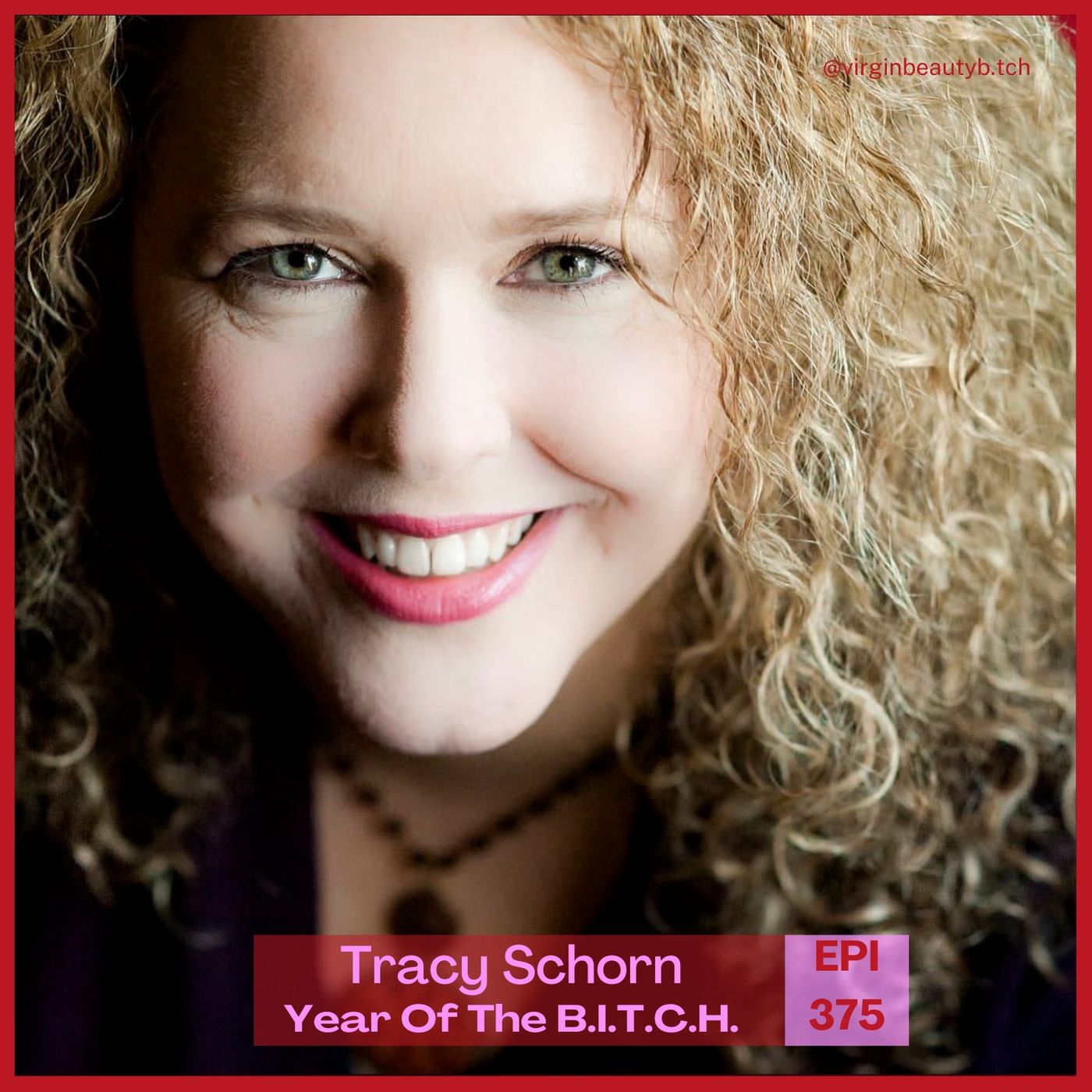
Tracy Schorn is “Chump Lady,” the woman you need if you learn that your partner has a double life and that you are not the one and only. Tracy wrote the book “Leave a Cheater, Gain a Life.


What does it mean to be chumped? It means the person you trusted most has a double life and has cheated on you. In this episode, we explore the meaning of betrayal, how it often shatters lives, and can strike so deeply that it feels like a living death. But it doesn’t need to be your epitaph.
Our guest and guide is Tracy Schorn, a woman who’s been chumped but rose up to become an award-winning blogger, cartoonist, and bestselling author of “Leave a Cheater, Gain a Life: The Chump Lady’s Survival Guide.” As "Chump Lady,” Tracy specializes in helping people, especially women, process the trauma of infidelity and reclaim their lives. In this episode, you’ll hear Tracy’s signature blend of tough love, raw candor, and biting humor. Tracy's mission is to challenge toxic narratives around cheating, empower those who have been chumped, and spark real conversations around identity, trust, and healing.
If you or someone you care about has faced a devastating betrayal, has been chumped, this conversation will leave you feeling seen, inspired, and ready to reclaim your life.
QUOTE: "To do that to another human being means you have an empty elevator shaft where your soul should be."
Heather [00:00:01]:
Virgin Beauty Podcast, inspiring women to overcome social stereotypes and share unique life experiences without fear of being defiantly different. Your hosts, Christopher and Heather.
Let's talk, shall we?
Christopher [00:00:18]:
A rhetorical question. Have you ever been betrayed by a spouse or an intimate partner that you once believed cherished you? That kind of betrayal can feel like a living death. And how you process being betrayed can make all the difference in your recovery and healing, which happens to be the specialty of award-winning blogger, Amazon number one bestseller, and a cartoonist affectionately known as Chump Lady. Tracy Shawn. Welcome to Virgin Beauty, Bitch.
Tracy Schorn [00:00:57]:
Thank you, guys, for having me. I love the name of your podcast.
Christopher [00:01:01]:
Thank you. I love your name. Chump Lady. We'll get into that. Now, Tracy, when I mentioned, when I sent an invitation to you, I mentioned that Heather and I are deep into dismantling the stigma around the word bitch and breaking it into a words of five themes. Betrayal, identity, trust, change, and healing. Bitch. Our intention is to transform these five stages into a platform for women's growth and self-empowerment. The first word in this process is Betrayal, which has multiple meanings, but a recent guess boiled it down to internal and external betrayals. Now, Tracy, you specialize in external betrayals, women suffering male infidelity, and being cheated on. So let's start there. How did you, how did this become your intimate passion and now your mission?
Tracy Schorn [00:02:03]:
Probably bloody-mindedness. I thought most of the advice out there sucked, and when I went through was very lacking. I should preface by saying I don't just write for women, although women are interestingly the most visible. I write gender and orientation neutral. I mean, back since 2012, but interestingly, when Google would still give you the breakdown of who was looking, I would say about a third or more of my readership were men, but they were less than 10% of the people who commented because there's still so much probably taboo about being betrayed. So I do try to write for everybody, but mostly women are much more uppity and talk about it. And even though younger women read and maybe the, you know, at different times, the majority, you know, people, women like over 40, over 45, tend to talk about it more. They're much more vocal.
Tracy Schorn [00:02:55]:
So I don't know, I just thought it's kind of interesting. Betrayal happens to everybody, but absolutely to women; there's a gender element, and it's just often much more financially difficult to bounce back from, and your whole identity, right, is tied up in being partnered. There's this, you know, you're nobody if you're not partnered. So it feels like a personal failure when things blow up because of infidelity. Yeah, but. Oh, and I'm sorry, asking your question about how I got into it. So I'm a journalist. Most of the time, I've been Chump Lady.
Tracy Schorn [00:03:25]:
I've had a full-time job, and this has been my side thing. Now I'm back to freelancing and just being Chump Lady. But I, when I went through it in two, I got chumped in almost, in 2006, all the advice out there was what did you make, what did you do to make him cheat? And how are you going to improve yourself to win him back? And that was everything on the Internet. That was all the resources, that was all the books, and sadly, that's still most of the narrative around infidelity. And I've tried very hard to change that. And I think it's changing. I think we have a more complex idea of what abuse looks like and what bad relationships look like. And we can talk about them now.
Heather [00:04:09]:
Yeah, I feel like people understand or they think that they understand betrayal because of other things that have happened either internally or a deck of cards that life gave you that you know, you've been either going along with or trying to rise above or change. And I know we're going to get into internal betrayal in a second, but just to finish on external betrayal, you know, once this external betrayal happens, what do you think, you know, it actually does to the person when what they thought was real is actually no longer real. Like, what was that process like for you?
Tracy Schorn [00:04:45]:
That was completely traumatic. And I think when the discourse talks about infidelity, and I think it's shifted in the last few years, we now talk about betrayal-trauma. That was not a thing when I went through it. Nobody, in fact, the books talked about it like you weren't asked to the prom. Esther Perel talks about infidelity like you weren't asked to the prom. Now she tries to talk out of both sides of her face. But I mean, it was like when I found out, and I did not serve a long sentence.
Tracy Schorn [00:05:16]:
I was a newlywed, I was 6 married 6 months when my husband of the times long-term mistress called me to tell me she existed. And I had just moved for this man's job. I was a single mom at the time when I met him. I moved my son. I had used my money to buy a house with him. I had now made my money a marital asset. So I got financially defrauded, too. You know, it was to discover, and I was at the height of, you know, this new life together and everything we're building, and all my own preconceived ideas about what infidelity was. I just thought, well, you know, maybe after you've been married a bazillion years and you're bored with what I mean, I just had no clue, right, that somebody who would pursue me and, and didn't look like Rico Suave, and you know, who I dated for, you know, decent amount of time, that that guy had a double life and, and that sociopaths walk among us.
Tracy Schorn [00:06:14]:
I was, I don't have words for how traumatic it was. I mean, my hair fell out. I lost £15 in a week. I ground my teeth, I broke out in stress rashes, I had hypervigilance. I couldn't sleep. I called a suicide hotline. Not because I thought I was going to off myself in that moment, but because I just manically had to talk to someone. I couldn't believe it. And then the other part of my story, which sadly, again, is not uncommon, is that when I started finding out things and confronted him, it turned into a domestic violence situation, and he threatened to kill me. So I went from this guy who I thought hung the moon to this stranger who had a double life going back, as it turned out, at least 20 years with this woman. There were other women, but the woman who called me is long-term.
Tracy Schorn [00:07:03]:
Yeah, it was like that Twilight Zone episode where they rip off their masks, and they have pig faces, if you remember that. I don't know. It was like that, it was like, oh my God, they're pig-faced aliens. And I don't. Yeah, it was traumatic. I'll leave it at that. It was incredibly traumatic, and my experience did not reflect the resources out there to help me.
Heather [00:07:29]:
Well, I find it very brave what you've just said because it's, it's so true. You know, like in the betrayals that I've talked to with other women, especially, but every gender, you know, you feel like the earth that you walked on, that, that you thought was solid, is actually not there. And it's an incredibly jarring feeling. So for you to see what sort of resources you needed that weren't available and then, you know, rise to meet that, that gap and be a space where, where women could see things very differently, not just shame ourselves in a whole new way, I really genuinely applaud that.
Tracy Schorn [00:08:07]:
I think one of the issues you're saying about is being in a place where you can talk about it differently or process it differently. One of the things my book did, and it's on my mind because the book I wrote, Leave a Cheater Gain a Life, is being reissued, which doesn't really happen very often. I'm very grateful to my publisher, and so we sort of updated it, but she was giving me the jacket notes, and she said, "You know, trying to summarize the whole thing, and she said, "This is the book that's not centered on cheaters. This is the book that's centered on the people that chumps, you know, the people that it happens to, I call it chumps, but the experience of being betrayed.
Tracy Schorn [00:08:44]:
And to this day, everybody wants to talk about, you know, the transgressive star-crossed person who can't choose between two lovers, or who's exploring their sexuality in some oh so interesting way. And they don't want to talk about the person who's like vomiting with grief, and whose hair is falling out. I mean, you're not interesting. You're like a big bummer. Right? And so I'm the person, I'm like, I'm writing for you, right? I'm not writing to figure out that guy. I am writing for you. Like, what do you want? What's acceptable to you? And that was reframing it, that was changing the discourse, because now, like all these reconciliation books, all these books about infidelity want to plumb the very shallow depths of cheaters. You know, you've got to be like piss puddle deep to cheat on someone that you have vowed to love and honor and respect. You know, a parent to your children.
Tracy Schorn [00:09:35]:
To do that to another human being means you have an empty elevator shaft where your soul should be. So you're not, there's not a lot to explore about your issues, in my opinion. But the people who really need the help are the people who, as you said, are trying to make sense of what's real, what's not real, what can I trust, what's safe? Yeah, it's a, it's a big job if it happens to you.
Christopher [00:10:01]:
Where does this fall regarding, and this is obvious, but gender prejudice? We don't. We value one gender over the other. We're going to concentrate on the one gender, even if it's transgressive, over the other, who is suffering. I mean, that's just the way we've set things up.
Tracy Schorn [00:10:20]:
Yeah, no, the gender element is, you know, as I started off, it's, it's rainbow nation. Anyone, anybody who has a trusting heart can be chumped. And men get chumped. My husband was chumped, so I, you know, I want to make that statement, but the gendered element of it is, I'll tell you one thing, other men never write to me. Other women write to me, and they'll be like, oh, he lied to me, I was chumped. I'm like, you're not our tribe. Okay? Now, there are unknowing people who don't know the person was married. I'm not including them.
Tracy Schorn [00:10:51]:
I'm talking about people who deliberately engaged in a long-term affair with somebody and knew that there was another partner. And what I say to those women is, you are conspiring in the abuse of another woman. You're not a feminist. You're not self-actualized. You're not a good person. You conspired in the abuse of another person. And can I use a crude term? Do you guys mind?
Tracy Schorn [00:11:14]:
I said they're dick suckers of the patriarchy. That's what I say. Like, you want to be that person. You want to be with the power structure. You want to be with a cool guy. You want to. And you will literally stab a woman in the back to have that, right? And so, you know, examine yourself, look at your choices, figure out why you did that. But that happens in an oppressive system where men are some commodity that you have to fight over, and your value is tied up, and if you're partnered or not.
Tracy Schorn [00:11:45]:
And I call that the pick-me dance, right? This competition is where, if it's a man you're trying to keep, two people, or three, or four, or 10, or whatever, off balance, competing for the wonderfulness that is him. And I'm telling people, no, step out of that. No, you know, nobody who loves you would goad you into a humiliating contest. There are so many gender elements, but in terms of, like, how women get shamed. Women get shamed as being quitters. They get shamed as not, as being failures to keep their man. There's a lot of spiritual abuse. There's a lot of, you know, Jesus thinks you're a loser if you get divorced.
Tracy Schorn [00:12:27]:
There's a lot, a lot of forces that keep women stuck in these bad relationships. And it's not just the human, like, I love him, and I see potential, and we're gonna try again. It's, there's a lot of economic and, you know, difficult, scary things about going out on your own with them.
Heather [00:12:46]:
How much, you know, some of our society has shifted where women are really starting to think more than they have, I feel, ever before of what it means to not to almost de-center men in their lives. Like to really try to focus on what their own ambitions and goals are, and that, you know, that’s a place of personal development, but also like a healthy place to be in when you're, when you're wanting a partnership. That you both kind of go back and forth to help each other and rise to the occasion. So, within that context, we still see so many women doing exactly what you just described, like wanting to be one of. Maybe “wanting” is a strong word, but being part of 10, trying to get somebody's affection, or giving more than 10 chances to the same behavior. What have you seen as some of the psychological or financial, etc., underpinnings that remain present today?
Tracy Schorn [00:13:54]:
Well, you know, it kind of depends on the generation you're talking about. I mean, if you're deep in with the sum cost, you have kids with somebody, you're middle-aged, you've got a mortgage, you've got children, you've got aging parents, you know, you have a whole identity wrapped up with this person. That's one set of fears. Younger women, I love the whole “don't center men" thing. I wish that message had existed when I was a young woman. I think if that message existed when I was a single mom, I probably wouldn't have been quick to get married the second time. You know, I think that's great. And yet we are human, right? We were wired to bond.
Tracy Schorn [00:14:33]:
We want to have connections with people. You know, there's, I tell people there's nothing wrong with you for wanting to bond. I mean, that's what we do. You know, it's okay because I think sometimes people get shamed for having needs. For loving or, you know, and that don't, you know, don't put yourself through that. There's nothing wrong with you for loving a person or giving them a second chance. Don't give them a 14th chance.
Tracy Schorn [00:14:57]:
But you know, I would, in terms of the barriers that are still there, too damn many. I mean, family court, gender bias in family court is real. You know, you try to get your child support, you're a gold digger. You know, I could give you a whole podcast of rage about child support enforcement, how it's a joke, how the average amount of child support is $399 a month, which is not even like probably your utility bill or your grocery bill or, you know, and you're supposed to raise kids on that. And less than half of people are able to collect what they're owed. We have a real failure to do that. And I think the statistic I last saw, 82% of the people who are owed child support are women. So that's a gender bias problem right there.
Tracy Schorn [00:15:47]:
You want to leave a cheater, and you have kids? You'd better have a way to make money. You'd better have a family that's going to let you live with them. You need support because we don't have a safety net in the United States that's going to help you out. You know, there are still a lot of barriers. And yet I don't want to be a bummer, and yet I, one of the reasons I'm still Chump Lady, there are amazing stories of resilience, of people who leave, who build better lives, who do it, you know, in extraordinary circumstances. So you can do it. You know, you've got to be tough, but you can do it.
Christopher [00:16:30]:
What do you see as a commonality between those women who do, regardless of the circumstances, push through to become something better and make themselves better? Is there a commonality that you've seen?
Tracy Schorn [00:16:48]:
These people, I think they get angry, you know. And that's so like unpopular right to be. I don't know if you're following like Bell Burden's book, and I love that she's raised the whole, she has a best-selling book about being abandoned by her husband, but she goes to great lengths to say she's not bitter and she's not angry, and so she's on Oprah, right? She's got a best-selling book. The people that I find who push through it at some stage, and I'm not saying you have to be this way forever, but they get righteously pissed off. The ones I worry about, the people who write to me that I think they're going to be okay, are the snarky ones, the people who have gallows humor, the people who see the absurdity of it, who are mad about it, who have, you know, funny nicknames, you know, like whatever. Those people, I think, okay, they've got, they've got moxie, they've got grit. They're not going to be the people I worry about. The ones I really worry about are the ones who have internalized it, who are depressed, who are paralyzed, who blame themselves, who, and you know, it's a big combo plate. We go through all of it, right?
Tracy Schorn [00:18:04]:
But to fight, to get up off the floor and fight. And I'm kind of your cheerleader to do that. That's what my blog is about. It's a switch in your head where you're like, how dare they. After everything I've done for our family, for you, for your mother, whatever, how dare you treat me that way? And I think the other part of it is there's like, and I went through this, I, you know, and you can't really, I don't know, you can't bottle it and share it, but you get to a point where you're like, I’m, I'm just done. I will live in a box. I will, I will accept all those things I thought I could never do. They're on the table; I'll do them right? Anything to get away from this. And sometimes you just have to get away from it. And you think, I'll figure it out later, but this isn't safe. And in a lot of cases, when you're in domestic violence situations, that's exactly what it is. It’s, you know, it's a burning house, you've got to run out. You'll figure out the particulars, but run away.
Christopher [00:19:10]:
You know, I have a big smile on my face because you are describing the woman who is able to grab hold of her Bitch, and bring her out into the world, and that's the force that helps her be herself.
Tracy Schorn [00:19:31]:
Absolutely. And everybody wants to shut that up, right? Everybody wants to shame that Bitch. Be crazy. I mean, there's like, Bitch, you're absolutely right. The Bitch is the one who's gonna save you. You want the Bitch driving the car. The crying, sad person can be in the backseat, but let the Bitch drive.
Heather [00:19:55]:
Time to get in the driver's seat with the Bitch. She's driving now.
Tracy Schorn [00:20:00]:
Maybe some rage driving, but it's okay.
Heather [00:20:05]:
She's got other people with her, so she’ll keep them safe, too. She probably will.
Tracy Schorn [00:20:10]:
Now, let me, just one caveat. We have another, like, expression on the blog, which, and it comes from my husband, who's a trial lawyer. He tells clients, if it feels good, don't do it. Don't get in trouble. Okay? So we reject revenge. So, I'm not, you know, you don't want to burn their stuff. You don't want to do anything. A judge is going to like get mad at you, so you don't, you don't want to give them centrality. You don't want to give them power. You don't want to burn their shit in a pirate.
Tracy Schorn [00:20:34]:
Like, don't do that. Okay, but if you channel that anger properly and you get a lawyer, or you call, you know, somebody who, a girlfriend to come pick you up or whatever you do, that's, that's anger well placed. It just lives inside you, as “how dare you?” You know, great. But don't, don't like, don't do the picky dance. Don't, don't like go like, I'll show her.
Tracy Schorn [00:21:06]:
I'm gonna sign her up for a date. I mean, the other woman did that to me. In my case, one of them, you know, she signed me up for spam, she signed me up for dating things, she stalked me. It was all very dramatic and silly. You know, these people make you crazy, right?
Christopher [00:21:23]:
Well, that's a distinction that we are working to establish, which is that it is not about other people. It's not about how you channel your anger towards other people. It's about protecting yourself and being yourself, fully yourself. It's not about the world outside of that. That's a distinction between how we see the Bitch. Bitch is about taking care of you, and whatever you need to do to make that happen. It's not about revenge. It's not about burning the world down. It's about protecting and surviving yourself.
Tracy Schorn [00:22:00]:
Exactly. And you know, you only have so much energy, right? It takes a lot of energy to build a new life. A lot. Takes a lot of energy to figure out what's next and focus on your career, your parenting, or whatever. You don't have extra energy to give a fuck with. Like, you just don't have any. Don't, don't waste it on that person. But you know it's easy for me, so many years out to say that, but when you're in it, it feels so raw and so all encompassing and important that it's really a mental discipline to do it, to focus and listen to your.
Heather [00:22:35]:
You know, we've focused a good amount on the external betrayals that people experience. But when you hear the words internal betrayals, what comes to mind for you?
Tracy Schorn [00:22:46]:
I think, I mean, for internal betrayal, I would think, you know, if you're betraying yourself, like what are my values? You know, I think if you're, especially when you're faced with the idea if you're going to try to reconcile with somebody who's cheated on you. It's like, does this really reflect who I am? Are these, you know, do I want to betray my sense of self, my own potential? Do I want to put it in this? And, you know, I think a lot of people, when you're trying to decide to leave or what your next steps are, a lot of times your own values are, they're conflicting. They're fighting each other.
Tracy Schorn [00:23:25]:
You might think, and I, I struggled with this. You might think, like, I'm not a quitter. I'm not somebody who gets faced with a problem and is just going to back down. Like, I'm gonna, you know, fight for this, or I'm gonna figure it out, or I'm gonna read a thousand books on Amazon and do my homework, and then there's a solution. I'm gonna find it. You know, that's one value, right? And we, we say, oh, that's good. That you're a good girl. That's how you're supposed to be, you know, and then you'll have a conflicting value, which is perhaps your Bitch, which is like, I don't take this. I'm not putting up with this, you know, I will not be treated that way. I'm out of here. But I'm not a quitter.
Tracy Schorn [00:23:51]:
I mean, and so, to listen to one voice over the other can feel like an internal betrayal. Like, if I go, I'm a quitter, you know. If I stay, I’m, I'm a chump, you know, a patsy, I'm a doormat, you know, I mean, so you can have those, you know, those internal struggles, I guess. I don't know if betrayal is like, for me, the right word for it, though, because, in fact, I try to these days. I try not to even talk.
Tracy Schorn [00:24:27]:
Like, a lot of the infidelity discourse is about betrayed spouses, I just find it soppy and kind of. You have been conned, right? You're the victim of another person's double life that you didn't know about, right? So you didn't really betray yourself because you didn't know about this. You didn't know about this external thing. How you react to it is like you've been punched in the face. I mean, you don't really know what to do. You're so broadsided by that. That betrayal is like. Like, I don't know, like somebody really let me, I mean, they let you down. But I really come back to, I don't even like to use infidelity and cheating anymore, I really come back to double life, double life, double life. I didn't consent to it. I don't know about it, but once I know about it, now I have choices about what I can do, you know,
Tracy Schorn [00:25:13]:
And when we talk in terms of betrayal, internally or externally, it's kind of like an escape hatch for the cheater. It's like, oh, you expected me to be this. You want me to be perfect, and I'm not perfect. Let's put the battlefield on, you know, your expectations and your needs, and what you wanted, and I would bring it back to no, you fronted a fake investment to me. You extracted my value, my labor to provide something for you, and that's theft. And so sometimes betrayal isn't the right word when we're talking about, you know, infidelity. I mean, there are other kinds of betrayals. But what I'm talking about is when your partner had a double life, and you didn't know about it, like, I'm not going to spend a lot of time beating you up about how you responded or didn't respond.
Christopher [00:26:14]:
I think betrayal for us, when we talk about the internal part, is how you were raised with values that you were given. As far as being a woman, basically, everyone else is more important than you. You have to serve and be nice to everyone because that's your value as a woman. We're talking more about that betrayal that then connects you to enduring so much suffering in these kinds of relationships later on in your life. Because this value of what you've been given as a child, as a girl, now becomes a thing that you need to hang on to, that you feel will bring you the happiness, the joy, the love that life will bring to you. So that's the kind of betrayal we're talking about. It's something that was implanted in you that you feel obliged to hang onto.
Tracy Schorn [00:27:05]:
I think you don't have to betray your values in that sense. And that, like, I'm someone who takes care of my family. I love my children, and I provide for them. I care about other people's needs. Now, I don't think you should care about them more than your own. I think you're absolutely. You matter. But I think the insidious thing about infidelity is that you have your very best qualities weaponized against you. So you might be that person that all loving, you know, all giving, kind of big, chumpy heart, and your cheater knows it. You're going to give me 14 chances. You're going to try harder. You would never hurt your children with divorce. I mean, when you're that kind of person, you can be manipulated because you have values.
Tracy Schorn [00:27:54]:
You have things to be in conflict with. If you're a stone -old sociopath, none of that works on you because you don't care. You care about you. But, so it is hard, I think, internally to like, flip the script to go, I matter. I matter. And I guess what I would tell people who have that mindset is that nobody owes you. You don't owe. Like, I mean, we owe our children because we brought them into the world. But when you do for others, it's a gift, right? And you give because you're a loving, bonding person, but they're not. They're not entitled to it. I mean, cheating is an entitlement problem. And in healthy relationships, we have reciprocity and mutuality, and we're not living in monarchies where we serve the king. So if you think that, like, your value is to be a good serf, then I think you, then you’re, I don't know, I'm telling you, you’re, those values don't go with me, and I, I think they feel unnatural to most people who are in the Dobby, the house elf role.
Tracy Schorn [00:28:58]:
You know, you matter. You matter. Like, it's okay. I. It shouldn't, it shouldn't upset your values to think you matter.
Heather [00:29:08]:
I appreciate the reframing that you've given because we are, you know, hit in the face constantly with how words impact the experiences that we're going through. So to hear how certain framings and words have impacted your experience, the women, and all genders that you work with, I think it opens up the sphere of this conversation to find things that resonate with us that don't continue to kind of push us down or push us back, but bring us forward in the ways that we want to move forward. So, you know, for, for your experience and the people that you've worked with that, you know, have gone through some sort of betrayal, maybe it isn't the one that we focused on for this show, but, you know, when you're working through it and working past it and you've gone through this reframing, what would you say in the work that you've done, if you want to call it? I don't want to say on the other side, because I don't think that the work is ever done. But what do you think it feels like now to have gone into the books you've read, found a gap, and helped to fill that gap? The work that you're doing now, like, how does that feel with where you are today?
Tracy Schorn [00:30:20]:
It's really gratifying. I mean, it's amazing. I never thought I'd be doing it this far down the line. We call it, like, gain a life, right? Leave the cheater. That's, you know, one part. But the gain of life is the rest of your life, and that's why I do it, because I think the trajectory, the stories that I got from people who have left, who circle back, who talked to me about, you know, their lives, getting out of abusive relationships. You know, it's just I’m always blown away. I'm so happy. I mean, I could think of a thousand. There have been so many over the years, but. Okay, I’ll come up with one.
Tracy Schorn [00:31:01]:
I met this woman in Australia. She had left her husband. She actually wrote to me at like 3 am or something. She's in the airport, and she found out her husband; she was living, I think, in Indonesia or something, she was from Australia, and her husband had a job, and they had a driver. And the guy said, "Look, I hate to tell you this, but I take your husband to brothels, and you know, he's cheating on you.” And she was just devastated. She's so far from home. She's got kids, so she had a home visit, and she was leaving him. And she's writing me from the airport. She's like, hi, I read your blog. I'm leaving my husband. And I just, you know, I’m like, please see a lawyer. You know, hang in there. You know, I was just trying to be moral support to this person. So fast forward a couple of years, I'm in Australia. And she actually flew to the other side of Australia to meet me and told me, showed me a picture. Like, her kids are great. Here they are, they're going to like Disney World in Europe or something.
Tracy Schorn [00:31:52]:
She lived with her parents for a year. She got a master's in human resources. She was crushing it at some job. The guy, you know, gave up custody, he like Zooms his kids once in a while, and couldn't care less, and is still a fuck. What I mean is, she just did this amazing thing. She left, she rebuilt, she's got her, she's back home with her family, her friends, and her network.
Tracy Schorn [00:32:16]:
Her kids are doing great. That's one story. I mean, in the book, there's there's now testimonials. I have like six stories like this, you know, from a woman who was pregnant with twins and had two other kids under 4 and left her husband in her second trimester pregnant with twins. I mean, there's just, you know, and then years later, she’s crushing it at her job and gets a promotion and people from Chump Nation show up to cheer.
Tracy Schorn [00:32:45]:
I mean, yeah, that's why I do this. Like there's a better life on the other side. It's just, you know, it's the trajectory. It's all about the trajectory. Right. You know, and then if you're going through it in terms of how to get over rejection, or other kinds of betrayals, it doesn't have to be something as dramatic as being abandoned or being cheated on. I would say rejection. It's one person's opinion of you. And consider the source.
Tracy Schorn [00:33:10]:
If it's somebody who's checked out, who's behaving unethically, who has a double life, and they think you suck, then consider this: you're going to be insulted by that person. Like, you have a values mismatch. They're not. They're not all that. And there's a big world out there of other people who may have very different opinions about you and your worth. And go be with those people because there's nothing to be gained here, you know, and when somebody's devalued you, they're generally not gonna, like, raise your stock again. So you've got better things to do with your life.
Christopher [00:33:49]:
Those two samples you gave, I think most people wouldn't hear this word associated with those women. But we hear Bitch when you speak about those women.
Tracy Schorn [00:34:02]:
Yeah. Someone told me was being in total control of herself. That was the acronym I got. I like your guys’ acronym too.
Christopher [00:34:10]:
But we don't associate that word with those women who have overcome and are, like, you say, crushing it.
Tracy Schorn [00:34:18]:
Yeah, I like that you're taking Bitch back. Yeah.
Christopher [00:34:24]:
Tell us about your book, where people can get it, and how they can listen to you and get more involved in what it is you do. Go for it.
Tracy Schorn [00:34:31]:
Yeah. Thank you. So I have a blog, Chump Lady. I have a podcast with my co-host, Sarah Goral, and it's called Tell Me How You're Mighty. And we talk to people. You know, it's all about getting to the other side, Gain a Life. There's a lot of snark and humor.
Tracy Schorn [00:34:47]:
And then my book is Leave a Cheater, Gain a Life, and it's coming. You can buy it now, but the new version is coming out in September 2026.
Christopher [00:34:56]:
We love your spice. You bring a lot of spice.
Tracy Schorn [00:34:59]:
Well, thank you, guys, so much for having me. I really, I really enjoyed myself.
Heather [00:35:05]:
Same here.
Christopher [00:35:05]:
Thank you for doing this and taking the time to join us and bring so much joy and fun to the show. We really appreciate that, and you have been listening to the Virgin the beauty
Heather [00:35:18]:
and the B.I.T.C.H in her year, the year of the B.I.T.C.H.
Christopher [00:35:23]:
Find us. Like us. Share us! We have more conversations like this. You want to bring your friends, gather around the table, maybe a little wine, join us, come on back. To become a partner in the VBB community, we invite you to find us @virgin beauty.com. Like us on Facebook, Instagram, and LinkedIn, and share us with people who are Defiantly Different, like you.
Until next time, thanks for listening.

Blogger | Author | Cartoonist | “Chump Lady"
Chump Lady is the name of my blog. I call it an online infidelity resource. I don’t write much about myself. This is not one of those personal struggles with an unfaithful partner diaries. Nor am I offering services as a shrink, lawyer, shaman, or life coach. My authority on this topic comes from lived experience. I was once chumped by a sociopath, a man with a double life spanning decades.
Chump Lady is the wisdom I wish I had the day I woke up in bed with another woman’s thong stuck to me. Chumps are constantly told, by therapists, news articles, and even people related to them, that they “contributed” to their partner’s cheating. They’re told that the cheater made a mistake or didn’t intend to hurt them. They’re shamed into believing they must be held accountable for not making the cheater “happy” and should “own” their failings in not “meeting their partner’s needs.” They’re made to believe they didn’t try hard enough, didn’t have enough sex, or that you are somewhat stale or boring. And truth told, it’s hard work not to cheat on a chump.
Many years after my own nightmare of being chumped, when I was happily ensconced in my new life, I decided to share my lessons learned online. My hope was that I might shorten someone else’s learning curve and spare them extended pain.


