VBB 364 Janice Selbie: Replacing Forgiveness With Acceptance!
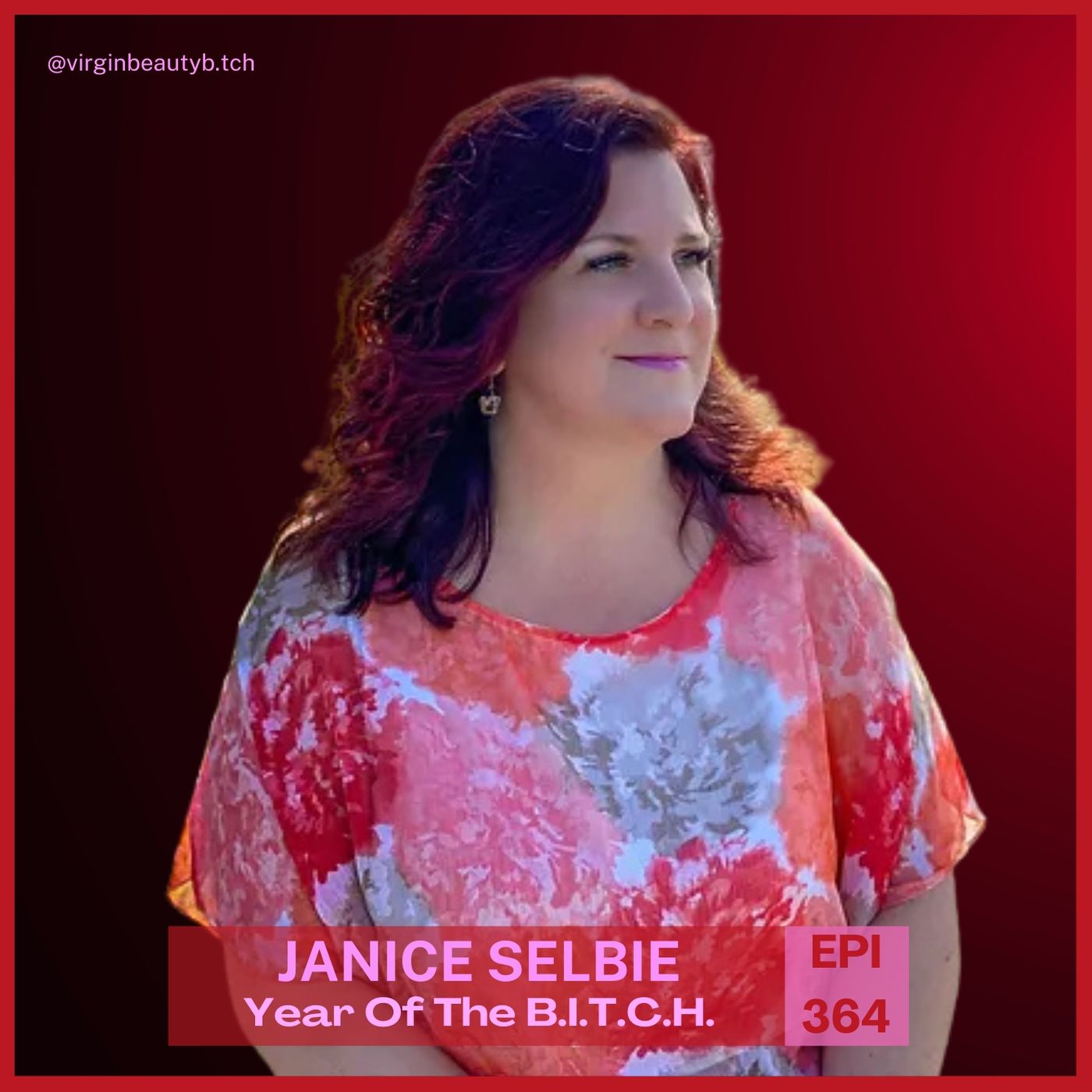
Janice Selbie is a trailblazer in the field of religious trauma recovery, bringing an honest blend of personal experience and professional expertise to topics often left unspoken.


Janice Selbie is a master practitioner of clinical counselling, a bestselling author, a host of the Divorcing Religion and Sex and Power podcasts, and a religious trauma recovery coach.
In this soul-stirring conversation, Janice courageously shares how she was once a devout cult participant and her journey through the complex intersections of sex and religion to personal liberation. From surviving religious indoctrination to reclaiming her voice and self-agency, Janice’s story speaks to anyone yearning for authenticity. Join us as we unravel the layers of Betrayal, Identity, Trust, Change, and Healing: the 5 principles at the core of the VBB’s "Year of the B.I.T.C.H." If you're ready for honest, stereotype-shattering conversations, you're in the right place!
QUOTE: Survivors of religious trauma realized that we were trained what to think rather than how to think.
What's Here For You?
The Deep Impact of Betrayal Trauma
The Transformative Power of Critical Thinking
Reimagining Forgiveness: Acceptance over Obligation
Intro [00:00:01]:
Virgin Beauty podcast, inspiring women to overcome social stereotypes and share unique life experiences without fear of being defiantly different. Your hosts, Christopher and Heather. Let's talk, shall we?
Christopher [00:00:20]:
Growing up, there were three topics that were taboo in mixed conversations or any conversation outside of the family. Basically, those taboos were money, sex, and religion. Today we're going to talk with a woman who makes money having conversations around the other two taboos, sex and religion. She's a master practitioner of clinical counseling, host of both the Divorcing Religion and Sex and Power podcasts, a best-selling author of Divorcing Religion, a Memoir and survival handbook, and she's also a religious trauma recovery coach. We welcome back Janice Salbo, Janice Cybo to Virgin Beauty Bitch.
Janice Selbie [00:01:04]:
I'm sorry about butchering your name so close. It's no problem. It's actually Janice Selby, and I'm so happy to be here. Thank you for that lovely introduction highlighting some of those exciting.
Christopher [00:01:17]:
You've been, you've been hard at work for sure. Now, Janice, again, thanks for doing this. Like when we shared our invitation to participate in conversations involving our Year of the Bitch, or B.I.T.C.H, and explain our acronym as five principles. Betrayal, Identity, Trust, Change, and Healing. What made you not hesitate for a second to jump on board and help contribute to these, these conversations?
Janice Selbie [00:01:47]:
Oh, I feel like all of the words that you just used there relate to religious trauma and recovery from religious trauma, particularly for those of us who spent time in high-demand or maybe fundamentalist religious groups. So it can be such a shock to the system when we leave those groups and have to review our beliefs to determine what we actually believe and what we don't believe anymore. It's a real shock. So I very much appreciate all the words that you're using in Bitch there, you mentioned betrayal, trauma.
Christopher [00:02:31]:
Right. And you, you actually sent me a list of things that involve. Can you maybe walk us through what someone who has never really dealt with these terms, and understanding what that actually means? Can you walk us through what that is?
Janice Selbie [00:02:49]:
Sure. Yes. So betrayal trauma happens when either a person, or a community, or an institution that we trusted has deceived us or harmed us in some way. So for me, it was church and the things that I had believed about church, things I was taught by my parents, my pastor, and other elders in the church. So it was shocking and painful when I found myself on the other side of faith, which I never anticipated and didn't want; it was just something that happened. And then when I started taking a look at my losses, you know, identity, community, worldview, all those things, there really was a sense of betrayal that went along with that. So the attachment betrayal, because I had trusted my parents with my life, they were responsible for my safety, and to teach me true things about how to navigate life in the world.
Janice Selbie [00:03:57]:
And then it turned out they had also been indoctrinated. So they taught me what they thought was true. But that doesn't necessarily mean that it was true. So there was some attachment trauma there. And actually, that can also feel like when a partner betrays us, you know, if we're in a romantic relationship, that's how deep it can be. So attachment betrayal.
Janice Selbie [00:04:27]:
Did you want me to touch on epistemic betrayal? Sure.
Christopher [00:04:31]:
I think what Heather and I want to explore the scope of betrayal outside of just what we go through on a personal level.
Janice Selbie [00:04:42]:
Yeah. Yeah. Okay. Well, epistemic betrayal, the word epistemic just means relating to knowledge. So survivors of religious trauma realized that we were trained in what to think rather than how to think. We essentially were taught a distorted view of reality. If we grew up in a fundamentalist or high-control religious home or cult, and we had our thinking shaped without our consent. So the knowledge, It was the ideas were taught to us as fact. And some of those ideas were terrifying.
Janice Selbie [00:05:16]:
So now here I am, years down the road, I have a clearer understanding of what's fact and what's fiction. So I'm specifically, for my case, talking about a belief in hell. So, I cognitively have been able to change my belief. But the nervous system is where our fear and terror is stored. It's not stored in our intellect. So even though I've changed my mind cognitively and I no longer believe in hell, I may still wake up in a cold sweat with nightmares or be triggered, say, if I hear a church scene on TV or something like that.
Janice Selbie [00:06:00]:
So it goes. It can go very deep, and epistemic betrayal can have us questioning our own ability to discern what is true or not true. We can end up thinking, how did I believe that in the first place? Why did I believe it for so long? And so it disrupts our trust in knowledge, and also, it leaves us unsure about whether we can trust our own judgment. So that's pretty profound, that type of betrayal. And then identity gets destabilized, too, because my identity was completely merged with my ideology.
Janice Selbie [00:06:45]:
I was a Christian first, and then I was a Christian wife, and then I was a Christian homeschooling mother trying to train my daughters in righteousness and, you know, indoctrinating them the same way that I was indoctrinated. So when I found myself again on the other side of faith, the other side of those beliefs, it was horribly destabilizing because who was I if I wasn't a homeschool mother anymore? I wasn't even a wife anymore because we got divorced. And then I wasn't even a person of faith anymore because I lost that faith. It just disintegrated around me.
Janice Selbie [00:07:40]:
So that's pretty profound. But unfortunately, you can't just phone your boss and say, well, sorry, my world blew up. My, my worldview completely just fell apart around me.
I can't come into work. They're going to say, well, you better be here on Monday. Just, just deal with it. So they don't understand the depth or breadth of that loss. And then that also leads us to existential shock. So I was quite happy when I came to the understanding that the concept of hell is, it's man-made, it's completely made up. I don't have to worry, I'm not going there.
Nobody's going there. I was less happy when I then thought, well, perhaps the concept of heaven might also be made up. And my whole thought of having a divine protector, cosmic justice, being meted out, all these things, I mean, those were foundational beliefs. And so when I didn't believe them anymore, bam, right into existential crisis. What happened to my purpose? My purpose before had been to try and convert everybody else and protect people from the devil, which I no longer believed in. We have to have a sense of meaning and purpose somehow in our life. So those are some of the main losses that relate to betrayal, trauma, and religious trauma.
Heather [00:09:03]:
I mean, the fact that you've so eloquently touched on betrayal and how it's deeply woven with identity and also with trust. The ways that we trust the things that we've been indoctrinated with, and also the ways that that indoctrination, whether or not as intense as your experience in a cult, getting indoctrinated by our parents, values, our society, etc. And when we put so much faith in these other institutions or other people, that self-trust is truly eroded or not flexed or strengthened. And so, you know what I find so fascinating about your story is how you were on the other side of faith. And some of the conversations that we've had with women on the show, yourself included, we've talked about them this. But in case Anyone didn't see the first episode with you, can you share with them that transition? Because I think it's really pivotal to your story and how we talk about the bitch.
Janice Selbie [00:10:12]:
Sure, yes. Thanks for asking. So I was born into and raised in a Pentecostal Christian home. So things that were normal in my home were my parents speaking in tongues, lots of praying. They would anoint my head with oil if I were sick, you know, fully believing that I would be healed. And, you know, which leads to its own trouble. When, then, you're not healed, and you're left with, oh, I guess I, maybe I'm too sinful, maybe I did something bad, God doesn't want to heal me. There's all sorts of mental gymnastics that we go through.
Janice Selbie [00:10:51]:
So I was raised Pentecostal, and then I married a man. For me, I was set up by my pastor. The pastor said, set us up. And we, we actually would likely never have married because we are very, very different. But the most important thing to both of us was having this same belief system. And then we went away to a conservative Bible college in Canada on the prairies. And while we were there, and I was really in quite a Christian bubble, that's when I decided I'd better start homeschooling. I need to protect my children from the outside secular influences.
Janice Selbie [00:11:36]:
And that's also when I came into contact with a group of Mennonites that are, I think, scattered across Canada and into the United States. They're called Haldeman Mennonites or Church of God in Christ Mennonites. And so then I went even further down the fundamentalist rabbit hole. And that's when I stopped wearing makeup or jewelry. I started wearing a head covering. Just really making my circle smaller and smaller, if you understand that, you know what I'm trying to say there. And so then my husband became a pastor. And so we lived that, that life, that very conservative life for a number of years.
Janice Selbie [00:12:19]:
But then a series of calamities unfortunately hit our family. The last one being when our youngest daughter was diagnosed with a life-threatening and lifelong illness. And that is the point at which I shook my head and said what? I. I don't, I don't know anyone who's tried as hard to live according to the Bible, to be compassionate and merciful and kind to strangers. All these different things, even altering the way that I would look, because I was trying to be obedient to scripture. And yet it seemed like we were just having. We were having calamity after calamity. And so at that point, I gave myself permission to start looking elsewhere.
Janice Selbie [00:13:07]:
I thought, maybe I've bet on the wrong horse. God. There might be a God out there somewhere, but I don't think God's here where I've been looking. So I gave myself permission to start exploring other belief systems and philosophies. And it was terrifying, and it was intensely liberating. My marriage didn't survive, but we do have a beautiful friendship today, which I'm thankful for. So that's what led to me divorcing religion. And it was around the same time also that I was divorcing my husband.
Janice Selbie [00:13:41]:
And so the loss of the religious belief felt very much like the loss of my marriage that I had treasured and nurtured all those years. So that's how. That's kind of what got me from there to here.
Christopher [00:13:54]:
I have a curious question. Going back to betrayal, the betrayal of an institution, of a faith. Can you relate that, or does it relate to the betrayal of you as a woman? Is there a parallel there?
Janice Selbie [00:14:12]:
I think so. Inasmuch as the Abrahamic religions also really enforce patriarchal hierarchy, and women don't feature very highly in the patriarchal hierarchy. Right, because there's God and then there's the pastor or the priest, the leader, and then the woman, the wife, somewhere down there above the children. But not by, not by much. And being told that I couldn't be in a position of authority, I could never teach men anything. And in fact, this is a true thing. At one point, the gaslighting was so intense that I stopped voting because I believed, well, as a religious person, I believe that we weren't to vote.
Janice Selbie [00:15:04]:
But then I even almost stopped driving. I asked, I wondered if I should surrender my driver's license because I am a woman. And I thought about it very seriously because to me it was about being obedient to scripture as I understood it, or misunderstood it. So those are pretty strong. When you start doubting yourself and your abilities to that degree, it's serious.
Heather [00:15:34]:
I feel that, you know, the repercussions of all of these institutions with so many being interwoven to create the patriarchal order that we're in, you know, the way that you've really framed it there, the, the, the ability for it to put that self doubt into woman, you know, to lead, to teach, to be able to govern or, or, you know, chair. It really is so internalized that it becomes an internalized betrayal when you really kind of take what you're seeing in all of these different arenas and truly believe it for yourself. Could you share with us what that was like? I mean, you've already talked somewhat about that, but that internalized betrayal, how did that show up for you?
Janice Selbie [00:16:27]:
Right. Particularly around issues related to purity culture. So for any of the listeners who might not be familiar with that, it's the idea that women especially, and girls are to remain chaste to, to abstain from sex, even in thought or word or deed, until they are in a heterosexual marriage, you know, till they get married to their Christian partner or whatever the, the deal was there. And that if you can't stay with that standard, you are less than. So I can think of youth groups and the youth pastor is, you know, passing around a glass, maybe a glass of water. He wants everyone to take a drink and then spit in it, right, and then they, and they say that if you are with a girl and she's been with anyone else, that's what you're doing. You're. You're drinking all that. Yeah.
Janice Selbie [00:17:23]:
Or, I remember one where it was. They crumpled up a rose and let the petals fall on the floor and said, you know, that's you. If you, if you have given away your virginity. Of course, now I know that virginity itself is a construct, but at the time I didn't. And I was so terrified for my precious daughters and really wanted to protect them.
Janice Selbie [00:17:49]:
So then, on the other side of things, when I divorced religion, it was a pretty big shock, let's just put it that way. I denied myself nothing. I'm like, okay, let's try, well, sex with men, sex with women, sex with all sorts of people. Like, just see, what did I miss?
Heather [00:18:09]:
Good for you. That is fabulous.
Janice Selbie [00:18:10]:
It was a time of learning.
Heather [00:18:13]:
Ah, that is so grand. That is so grand. I love it. You know, time in your life where you're not taking anything for whatever anyone else has described it as. You're really stepping into exploring all these different avenues for yourself under your own conviction, your own agency.
Janice Selbie [00:18:31]:
Yes, I love it. Agency and curiosity, for sure. We're kind of pretty much denied agency and autonomy when we are under the control of a high-demand group or person. You know, it could be, it could be even as small as maybe you're in a relationship with one other person, but there's a lot of coercive control going on there. So, yeah, when we break free from that, it's liberating. It can also be scary. And I wanted, then, when I got out of, out from underneath religious indoctrination, I wanted my daughters to know that they are wonderful exactly as they are.
Janice Selbie [00:19:14]:
And I wanted them to be prepared. Like, got them on IUDs right away, even though they're like, mom, I'm not. I'm not even dating anybody. I said, I don't care. I want you to know that when the time comes, if you feel ready, you don't have to worry about getting pregnant. And I want you to do your best to just ignore and flush away any of the ridiculous things that I told you before, as if your worth and value as a human were tied in any way to sex and sexuality. Because it's not. So there were many apologies and explanations in big conversations that we had to have, for sure.
Christopher [00:19:56]:
I think the thing that Heather and I think about most, it's like being born into a coma. And for you, you were fortunate something woke you out of that coma. However, I think so many women are living through life still in that coma, still believing what they've been conditioned to believe is reality and the limit as far as they can live life. I think what we're wanting to do, especially with betrayal, is an awakening that you are in a space that is not created of your own. You're conditioned into this belief, this understanding you have of your world and your own limitations and your own identity. So it's now, hopefully, through these conversations, bringing that awareness.
Janice Selbie [00:20:57]:
Yeah, I love it. You've hit the nail right on the head. We essentially believe what we have been conditioned to believe. So the difference between indoctrination, of course, and. And education, indoctrination, we're not allowed to question. We. We must just obey.
Janice Selbie [00:21:18]:
But with education, we are encouraged to question and to be curious. And so that's a. That's a big distinction. I want people to, to start questioning, why do I believe what I believe? Like, who taught me this, and who taught them? And how do I know that it's actually fact, as opposed to just someone's idea that they are passing on to me? So that's a big part of our healing, it's developing critical thinking skills. Because when we grow up in high-demand groups, we're not taught to be critical thinkers. And so if we have to actually work at it and train ourselves. And so then I send people to a website called thinkingispower.com, and that just teaches us all about cognitive biases and different critical thinking skills that we need to develop.
Heather [00:22:20]:
I think alongside that, critical thinking and walking that bridge and starting to call into question in a lot of ways how we're on autopilot in our lives. You know, that really leads us to the T. Right. The T for us is around trust, self-trust, while also understanding how it affects how you trust certain people in your life or belief systems. And you know, in your story, you know, that opening, you know, from what you've shared was, you know, you had done all the right things according to the scripture and the church, that your children should be, you know, very protected. And that was just not the case. So that opened up the door, so to speak, to a completely different world. Could you help us to understand, you know, what helped you to strengthen that self-trust? And so, you know, that door was cracked open, and then you kept walking through.
Janice Selbie [00:23:21]:
Yeah, and I gotta tell you, there definitely were times when I fell flat on my face. There were things that I, that I did and choices that I made, you know, that I kind of wish that I had done differently. But it was almost like, like Christopher said, coming out of a coma and, and even being confused, like, where am I? What is this? You mean I can try all these different things? You mean I can do this and do that, and I'm not going to hell for it? So, as far as the trust goes and rebuilding trust, that definitely ties in with learning the critical thinking skills and being able to do some reality testing. So now I'm, I'm open to hearing what people have to say and what they believe, but I take it all with a grain of salt because it's what they believe. I don't have to believe it just because someone else believes it. And in fact, I think we're living through a time right now of epistemic betrayal as a, as a country, as North America and Canada and the United States because we are really knowledge that we've had for years where we've been encouraged to doubt even what experts and people who have gone to school for, for decades, we've been encouraged to doubt that. So I think it's important that we question what we are taught, but we want to do it in an open way rather than a closed way. Now, I'm going to reject everything that anyone ever tells me. Well, that's not, that's being cynical. That's not being a critical thinker. There's a difference there. Difference there important distinction.
Heather [00:25:14]:
Thank you for that.
Christopher [00:25:16]:
I do, I really do enjoy that critical thinking piece. And now that we understand all of this, there's that big step, that step of action, that step of, okay, I've got, I got, I think I got this, now I've got to change? Whoa, whoa.
Janice Selbie [00:25:41]:
Yeah.
Christopher [00:25:43]:
Where did that courage come from?
Janice Selbie [00:25:46]:
I think partly from seeing that I had spent so many years living someone else's life, living a life that I felt other people wanted me to live. And, I am in my 50s now, and I see time is getting shorter and shorter. You know, every time I turn around it's the weekend. And so just the desire to actually get out there and take a bite out of life. So I, I've said before that life is like a buffet table. And we've got all these experiences, you know, as far as the eye can see. People trapped in a fundamentalist mindset will starve to death at that buffet table. What I want for myself, my children, and my clients is for them to know they can take a break, bite out of any experience on that table.
Janice Selbie [00:26:38]:
As long as they're not knowingly harming someone or breaking the laws of the land, they are free to try these things out. And it's part of our healing. And so we want to name the harms. You know, we have to be able to acknowledge our losses. And that includes through indoctrination. So we need to be able to recognize and name those we want to see, separate our indoctrination from our identity. And that means doing some value clarification work to see what do I actually find to be important versus the values that were imposed on me by my religious leaders and by my parents. So values clarification is a very big deal.
Janice Selbie [00:27:25]:
And that includes developing consent-based beliefs and relationships because we were not taught about consent. So we need to educate ourselves about consent. And might I add, some people find that they learn consent by attending classes and events related to S and M and bondage, if I may say that. So it's not for everybody. But the consent is so important in that community. So it can be a powerful way for people to learn about it. We're walking into our power.
Janice Selbie [00:28:05]:
We're taking up residence in ourselves. We're not just this shell. We are real people with real feelings and desires. And I want everyone, like I said, just to take a big bite out of life and see what's there.
Christopher [00:28:19]:
I have. I have to. I can't. I can't help it. I can't. I can't help but draw you to the metaphor. The bite and Eve. The bite and the downfall of humankind. I'm sorry, I couldn't help it.
Janice Selbie [00:28:36]:
I love it. That is such a great point. Yes. Because she was. She was promised that she would have knowledge if she took a bite. And in religion, then knowledge is forbidden. You're not allowed to have that. That knowledge.
Janice Selbie [00:28:50]:
But we. We are powerful when we are able to learn about ourselves in the world around us. That's such a great point.
Heather [00:29:00]:
What a great visual. You know, I'm now visualizing Eve having a bite and enjoying the out of it.
Janice Selbie [00:29:08]:
Right, right. And I do. I do want to say one more thing then, because we're talking about bite. And so there is a model I want to point people to. It's called the Bite Bite model by Dr. Steve Hasson. BITE stands for Behavior, Information, Thoughts, and Emotions. And so we can use that model to determine if any group or relationship that we're in is exerting undue influence on us, if they're trying to control our behavior, the information we receive, the thoughts that we think, or our emotions we need to see, take a step back and potentially reach out even to a secular therapist or someone who understands things and can maybe offer some guidance.
Christopher [00:29:53]:
Fantastic.
Heather [00:29:54]:
Isn't that a great acronym after the Eve reference? How good is that?
Janice Selbie [00:29:58]:
Perfect.
Heather [00:30:04]:
The final piece. The final letter is H. And, you know, we have it as the last letter, but it really is an important piece throughout our life and this whole. This whole transition that we talk about, this evolution of the word. And for H, for us, it's healing. So it's understanding all these different layers of betrayal that we faced and most likely have internalized, you know, coming to a deeper, much deeper you and understanding of your true identity and taking a bite of all of the different smorgasbord that lice has to offer, trusting that your own direction is the way forward and that you know the best choices for your own life. Making that change, choosing to live differently each day. But the healing, how was that for you? What helped you to forgive? The previous choices, perhaps, or really learn to love this new self. What was this healing journey like for you?
Janice Selbie [00:31:09]:
Well, since you used the word forgive, I will tell you that with my clients recovering from religious trauma, forgiveness is kind of the F word, because we were maybe commanded and demanded to forgive, but we know that that word can be weaponized by abusers. So I feel like what really can be helpful for us is a reframe instead. We need to get to a point of acceptance. Accepting the reality of what has happened. So my reality was that I was raised in a home by parents who had been indoctrinated. So I was indoctrinated. And then I went on to indoctrinate my children. So there was an element of moral injury there where I had to acknowledge that I had harmed them because I'd internalized the teaching. So I feel like that's important.
Janice Selbie [00:32:03]:
As far as what helped me on the healing journey, really recognizing that I was in mourning, I was grieving the loss of many different things all at once. Profound losses. It's a huge psychological rupture when you lose your faith, and you're dealing with these different types of betrayals. So, acknowledging my losses, connecting with other people who could relate. So I found Dr. Marlene Whannell, and she wrote an important book called Leaving the Fold.
Janice Selbie [00:32:40]:
And she started introducing me to the idea of religious trauma syndrome. I was already in training to become a counselor at that point. And so that really informed the direction that I took my practice. So I specialize in helping people who are recovering from religious trauma or leaving cults or high-demand groups. So connecting with others who could understand, and they had to be secular therapists. I didn't. I couldn't attend a religious therapist because I didn't want the risk of anyone trying to pull me back into a system. I had to be with someone who was, who didn't have any hidden agenda in that way. What they wanted was just for me to be able to reclaim my own autonomy and make my own choices in this life.
Christopher [00:33:32]:
I'm curious. Growing up inside a religious bubble, being married inside a smaller religious bubble, did you ever have to face the word bitch?
Janice Selbie [00:33:43]:
It certainly was a word that I would not have used because, growing up, I understood it to be mean to call another woman a bitch, to be degrading. But now, somewhere along the line, I grabbed that idea that it stands for Babe In Total Control of Herself. And that's the way that I like to think of bitch now. And, yeah, I mean, people, I'm sure some people do think of me or call me a bitch. For whatever reason, but I really do live my life trying to be both honest and kind, balancing that. People don't have to believe the same way that I do. They're allowed to form their own beliefs.
Heather [00:34:34]:
I wanted to say thank you for, you know, what you shared around the word forgiveness. Because, you know, I do think that there's such a. There's just such a culture almost around, you know, forgiveness will set you free. It will let you and the other person be free. And I can appreciate, you know, when a person is not coerced or forced or, you know, told that it's expected of them. There can be a great deal of healing if it’s truly from within and something that you genuinely want. But, you know, I completely resonate with, you know, the thought process of it being weaponized and really used against a person in order to make them move on from terrible, terrible things that have happened to them.
Heather [00:34:59]:
So I just wanted to say I appreciate you talking about, you know, how your healing journey was about stepping away from that word and more into acceptance. That was about the reality of my parents, who were taught what they were taught and believed that they were doing a good thing and the right thing for me. And I think that that just sets a very different tone to, you know, somebody's personal journey with this.
Janice Selbie [00:35:50]:
Oh, thank you so much, because I completely agree with what you've said. And when we. When we decide, instead, we're going to focus on acceptance. There is a clarity that comes with that, with accepting the reality that this person, or this belief structure, this community, harmed me. Now I get to choose. It's. It's my wound, and it's my power, what I'm going to do with it. Maybe I want to. Maybe I need to contact the police if things have gone really far. Maybe I need to press charges. Maybe I just need to put really heavy boundaries on any continued relationship with this person or this group. Maybe I don't want to have anything to do with them at all. I get to make that choice because it's about what happened to me, rather than trying to force people to forgive, which just puts another burden on someone who's already been wounded and they're doing their best to heal.
Christopher [00:36:54]:
Tremendous. Wow. I'm so glad that you agreed to come back and join us on this topic. And breaking this down into so many different layers that, again, raises awareness. Bringing this conversation to openly crack open some thoughts that people may not initiate themselves, or feel free to explore. Right. We cannot appreciate the time you've taken and the knowledge you've shared in these conversations.
Janice Selbie [00:37:34]:
Well, thank you. I. I really appreciate the. The deeper dive that you folks are doing this year. I already enjoy and appreciate your show, but having. It's like there's been a new lens that you're exploring things with, and I think it's powerful, and I think it has the possibility of helping a lot of people. So thank you so much for inviting me back.
Heather [00:38:00]:
Oh, that means a great deal to us. Thank you for saying that. And you know, every time you've, you're on this show, it just continues to really blow my mind. You're very. The way that you can relay a message is so personal and so reachable and so full of heart. So thank you.
Janice Selbie [00:38:19]:
Oh, you're very welcome. I appreciate it.
Christopher [00:38:22]:
So what do you want to tell our audience? What, how to, what would you like them to know about you and connect with you.
Janice Selbie [00:38:29]:
Thank you. Yes. So my website is divorcing-religion.com. Probably, you can also get there just through divorcingreligion.com, and I have a YouTube channel. Again, you can just go to YouTube, type in Divorcing Religion. And on that YouTube channel, I post episodes of the Divorcing Religion podcast and the Sex and Power podcast, as well as video sessions from my conferences, because I founded the conference on religious trauma, or CORT, and I also founded Shameless Sexuality Life After Purity Culture. So I'm always updating and putting more things on my YouTube channel. And that's just a free resource for anybody who's interested in recovery from religious trauma, including other therapists and social workers who are very welcome to take a look at those resources, and just regular people who are in recovery. I'm available, of course, for one-on-one work with clients. You can book through my website. You can just book a free consultation if you'd like.
Janice Selbie [00:39:35]:
And then I do offer a free support group every Tuesday at 5 pm Pacific for people who are recovering from religious trauma out of any belief system or religious system. They are welcome. It's a safe space to come and connect with others who understand.
Christopher [00:39:55]:
So her name is Janice Selby. Not the names that I butchered at the beginning. And again, we cannot thank you enough for sharing so much knowledge with us. We really appreciate it.
Janice Selbie [00:40:12]:
Oh, it's been a joy.
Christopher [00:40:13]:
And this has been
Heather
The Virgin
Christopher
The Beauty.
Heather [00:40:17]:
And the Year of the Bitch.
Christopher [00:40:20]:
Christopher [00:40:27]:
Find us. Like us. Share us! You know what’s next, come on back. Bring your friends. To become a partner in the VBB community. We invite you to find us@virginbeautybitch.com, like us on Facebook, Instagram, and LinkedIn, and share us with people who are defiantly different like you.
Until next time, thanks for listening.
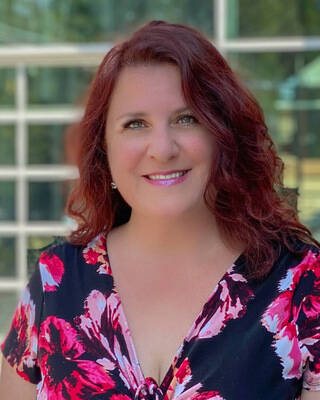
Master Practitioner Clinical Counsellor
Janice Selbie is a trailblazer in the field of religious trauma recovery, bringing a unique blend of personal experience and professional expertise to her work. A former fundamentalist Christian, Janice experienced the profound challenges of leaving behind religious indoctrination, navigating the complexities of deconstruction, and rediscovering her identity outside of faith. This deeply personal journey inspired her to become a Registered Professional Counsellor (RPC) - now with her MPCC - specializing in helping others heal from the emotional and psychological impact of high-control religion.
In addition to her work as a counselor and educator, Janice is a best-selling author. Her book, Divorcing Religion: A Memoir and Survival Handbook, combines candid storytelling with practical tools to support others on their journey to freedom and healing. She also hosts the popular Divorcing Religion Podcast, where she engages in thoughtful conversations with guests on topics related to deconstruction, mental health, and post-religious life.
Janice’s work is rooted in compassion, resilience, and a commitment to helping others reclaim their autonomy and thrive.


