VBB 356 Linda Dröfn Gunnarsdóttir: Is Gender-Based Violence A Woman Or Man Problem?
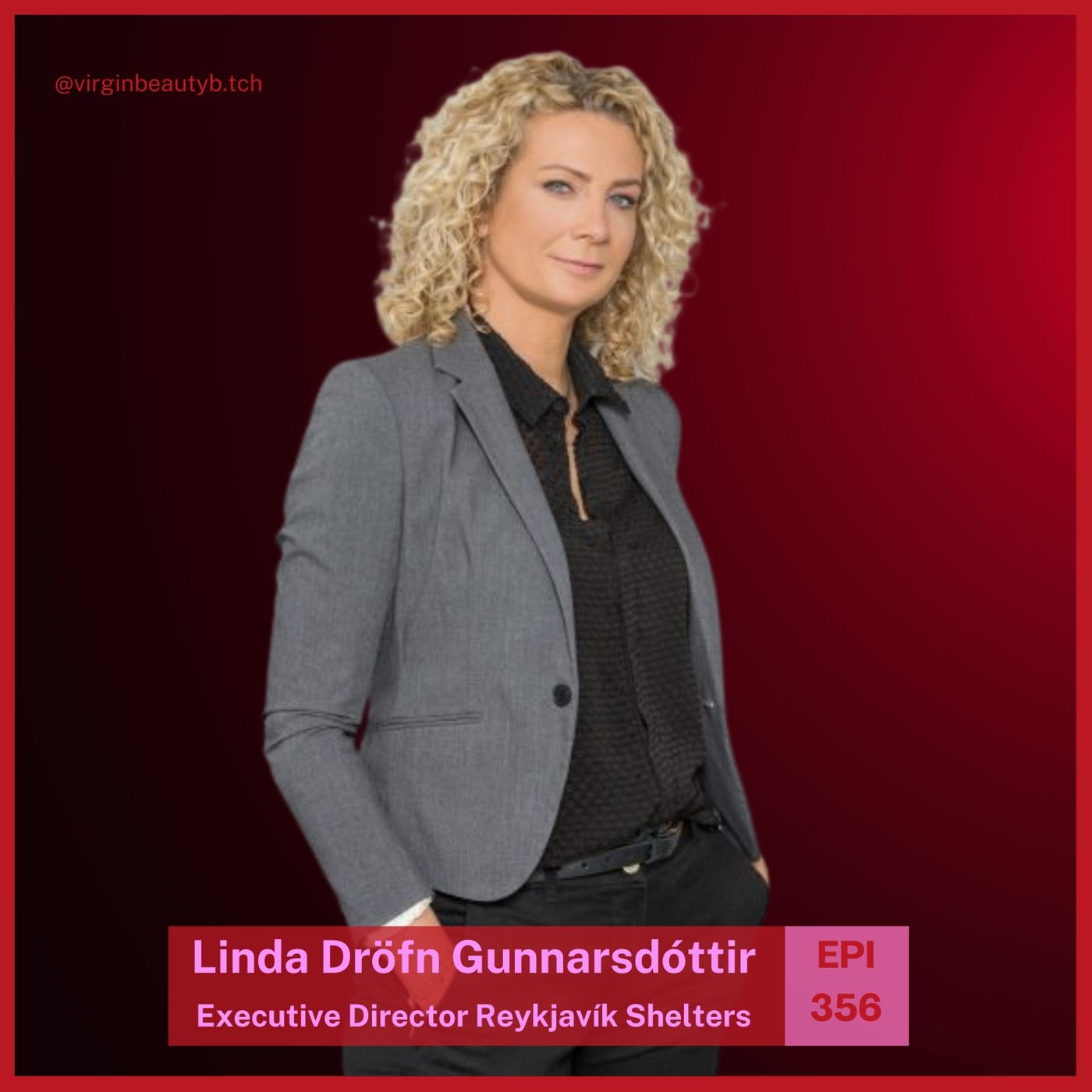
Linda Dröfn Gunnarsdóttir is executive director of the Icelandic Association for Women's Shelters and a dream guest to talk about the United Nations' 16 Days of Activism against Gender-Based Violence and the Nordic Paradox?


It’s the last place any woman anticipates ever landing, but far too often, a woman’s shelter is the only haven for mothers and children fleeing abuse at home. Linda Dröfn Gunnarsdóttir is the executive director of the Association for Women's Shelters in Iceland. Linda’s reputation as an innovator and leader landed her on the BBC 100 Women to Watch list — a listing reserved for women around the world making a difference for others. We talk with Linda about Iceland being globally celebrated as a woman’s paradise due to policies that advance equality, when every day she sees women victims of gender-based violence forced into homelessness.
QUOTE: "Nobody plans their lives to go to a women's shelter. But it's also a new beginning, and there's a power, as women's power, there."
Intro [00:00:01]:
Virgin Beauty Podcast. Inspiring women to overcome social stereotypes and share unique life experiences without fear of being defiantly different. Your hosts, Christopher and Heather. Let's talk, shall we?
Christopher [00:00:20]:
We are currently in the window of the United Nations. 16 Days of Activism against gender based violence. In support of this critical global campaign, Heather and I host conversations with women victims of violence who are passing on their experiences to support others. Today, however, we have an opportunity to speak with a woman who provides hands-on support for women going through the dark days of life transformation. We welcome the Executive Director of the Women's Shelter Association of Iceland, Linda Dröfn Gunnarsdóttir, welcome to Virgin, Beauty, Bitch.
Linda Dröfn [00:00:56]:
Thank you. And nice job with the name and everything. Yeah.
Christopher [00:00:59]:
Oh, I practice for hours.
Linda Dröfn [00:01:05]:
Good job.
Christopher [00:01:08]:
So, Linda, to the world outside. There's a belief that because of progressive initiatives around gender equality that Iceland is a paradise for women. In fact, BBC News filmed a documentary titled "Is Iceland a Woman's Paradise." And maybe that's a good place to start. Is this a Nordic paradox? Can you help us understand why paradise is a truth for the women of Iceland, but also far from being the whole truth?
Linda Dröfn [00:01:34]:
Yeah, yeah, you actually worded it yourself. This Nordic paradox that we are actually dealing with every day when we are fighting for equality and against gender based violence in Iceland and in the Nordic countries as a whole, actually. So yes, there are some aspects where we are leading the way. So, for women to gain power or get into powerful positions in Iceland is easier, and there have been steps taken to even the wages and make sure that we take the same time off after we have children, and such things have been taking progressive steps forward. When they are doing these surveys about which country is the actual paradise of equality, they never ask about gender based violence. So this is something that is never measured in any of these surveys or polls that are made. So they are not asking about these things. And actually, in Iceland, we are no better than any other country.
Linda Dröfn [00:02:45]:
And in many ways, we are doing worse when it comes to gender based violence. So we have really put emphasis on the fact that there will never be equality while you still have this problem going on in the country. So this is something that goes hand in hand. So even though a woman goes to be an executive director of a big company, as long as she comes home and has to be a victim or is a victim of violence at her own home and has no power there, she will never have equality in her life. So in all our approach to gaining equality in Iceland today, for example, in these women's strikes that we have been doing for the last few years, the newest ones, we have put more emphasis on the gender based violence going hand in hand with wages and other things that we have to consider.
Heather [00:03:43]:
Well, just for our listeners to get a little bit more knowledge on, you would love to hear a little bit more of how you got into this role, and what you're hoping for as your vision as you're looking now into 2026 as executive director?
Linda Dröfn [00:04:01]:
Right. I used to work before I got into this role. I was working with refugees, refugee women, for some years. And then this is a small country, and you can move across different fields pretty easily. So I moved over to this field, but I really could use so much of the expertise and experience that I had gained in other fields in this one. So you're always working with people. And the approach of the Icelandic women's shelter is really approaching the women with a trauma-based approach. So they are the leaders in their own journey, and we never tell them what to do.
Linda Dröfn [00:04:44]:
And it's really just this respect and meeting them exactly where they are. And this is the same as we do with refugee women or other people in really vulnerable situations. The hope for 2026 is firstly in relation to our organization. We will be moving into a new shelter. This will be the first shelter in Iceland that is actually built as such. So it's drawn up and built as a women's shelter. This is really a good moment and a really sad one at the same time. The first women's shelter was opened 42 years ago, and it was always supposed to be a temporary solution until gender based violence would disappear.
Linda Dröfn [00:05:32]:
So it is sad that we actually have to build a new one and a bigger one because the violence is growing. But this is what we are doing, and it is in order for us to really be able to welcome women with handicapped women, or women with special needs, because the house that we are in today is not good enough for that. So we are really excited to open the doors to a broader group of women who need help and their children, of course, as well. Sometimes they have handicapped children or children with special needs. So we are always trying to lower the threshold into the shelter so it takes away the shame, to take away these really difficult steps towards the shelter. And as you said in the beginning, these dark days of coming to the shelter, but actually, it's really a step into the future for them. So in the shelter itself, there is joy, there is, of course, sadness, and a lot of grieving about where they are now. This is a place that they really did not see themselves going to.
Linda Dröfn [00:06:44]:
And nobody plans their lives to go to a women's shelter. But it's also a new beginning, and there's a power, as women's power, there. And we use every opportunity to make like a good day and celebrate. We celebrate everything, every single birthday, everything that goes on there. So it's really lots of laughter as well, and like a relief of like really taking this big step. So that's like our aspirations. And then of course, like in the bigger picture, it's really getting the government and the municipalities to really step up their game even more. We have a lot of women now in powerful positions, but at the same time, we really would like to see them taking gender based violence and coercive control and everything that comes with it.
Linda Dröfn [00:07:41]:
Not just the physical violence, but all violence is taken more seriously. So when it is called, it is taken seriously, and the women really do not have to fight the system in order to get out of the situation. So this is like an ever-growing struggle for us now. And we have these 60 days, 16 days now that we have this focus on violence online. And this is like the newest, biggest threat. Like the women are never free from violence, even though they step out of the relationship, the violence goes on. And this is something that has to be taken more seriously. And it is just so important that authorities send a really clear tone that this is not to be tolerated, that this is considered really serious.
Linda Dröfn [00:08:33]:
And it was really joyful to see now in Italy this week that they were putting a new law for femicide. So it is like the sentencing is like harsher if it is femicide as compared to other types of murder. So it's different from many countries where femicide or violence in close relationships has received fewer years or fewer months of sentencing than if you kill somebody out on the street. So this is, was a really like you're sending such a clear message. In a world where we have music, movies, and podcasts, talking about hateful messages towards women and really talking about such things as there is no such thing as gender based violence. We are hearing this more and more in this backlash that we are facing.
Christopher [00:09:28]:
For you, this cannot be easy work. Having to be in front of women at their most desperate moment. What brought you personally to take this on and to move with such vigor to grow it into something larger, more supportive?
Linda Dröfn [00:09:51]:
I think on a personal note, it's just really hard for me to get out of bed in the morning if I'm not doing something meaningful. So it has to be something that I believe in. Secondly, I used to work more for the government, like for the ministries and for the municipalities, when I was helping refugees and women of foreign origin. And now this is like an association that stands aside from the system, really. So I'm really working outside the system now. And it really gave me just this extra power of having this freedom of always doing the best we can. So it's never computer says no. Like, when you're working inside the system, sometimes you cannot do all the things that you want to do, and you don't really know why.
Linda Dröfn [00:10:37]:
It's just because the system says so. And the Icelandic women's shelter has a lot of trust among governments and municipalities. So they really leave it up to us to make our own decisions. So they are not trying to control us in any way. This is very different from what is happening in the other Nordic countries. For example, the other shelters are 100% funded by the government, which is good, of course, because then they don't have to be fighting for money as we are doing. But on the other side, this means that you have really gone a bit over to the dark side, if you can say so in a way that they can control the shelters. They can say how many women can be at the shelter.
Linda Dröfn [00:11:22]:
They can say what women can go there and who cannot. They have to have some kind of permission to get there and things like this. But at the Icelandic women's shelter, it is never full. For example, if all the beds are full and a woman comes to us, we just pull out a sofa or we pull out an extra mattress. So there's never a waiting list to the shelter, and we decide who comes to the shelter. Like every woman who has to run from her home because of violence, is welcome to the shelter. Nobody can tell us otherwise. We make our own decisions.
Linda Dröfn [00:11:54]:
So actually, when I drive home at night, yes, it is really, really difficult sometimes to see the worst sites of human behavior. At the same time, I always drive home knowing that I did all I could. And it's such a fulfilling feeling that you are really using all your resources to the fullest. And I think this is the thing that really tears people up who are trying to work with other people, that the system is stopping them from doing things that they want to do. So this gave me the extra power to go on and really push forward. I had really good staff. I could feel that there was trust within the society towards this association, and I just really decided to go for it. Like, there are so many women there that do not have voices, and they are so strong, and they are so really the things that they go through, and this picture in our heads that we see weak women that are victims, we call them survivors.
Linda Dröfn [00:13:04]:
We do not call them victims because that's what they are. They are stepping out of impossible situations sometimes. So if I can give them a voice, then that's what I'll do.
Heather [00:13:15]:
Like you just said there, you know, language is so important between a victim or survivor and, and you know, the terminology used to express what happens in these intimate partner relationships or outside of inter partner relationships. You know, we've moved in some ways from violence against women to gender based violence. I would say, you know, globally that's more of a norm now to try to shift the focus of how women should either protect themselves or something that's happening to them, but broaden that language to make it more true to the experience of people. And really, we put the onus on when we use certain types of language. So, you know, from your vantage point, you know, do you think that saying gender based violence is enough? Do you think there's space for saying things more than, you know, I am hearing more and more, especially from younger generations, talking about violence perpetuated by men. There's pushback on that because it's not always men, although it's most often at the hands of men, and it isn't painting an incorrect image to frame it as such. So I feel like in some ways we've tried to make it neutral enough to be inclusive of all the different ways that this violence can happen. But do you think that it's kind of blanketing some of the reality of what we're seeing and experiencing?
Linda Dröfn [00:14:54]:
This is a really complicated issue because I think that, really, we should not be afraid of words and calling the things that they are, even though there are, of course, women who use violence, and there are men who are survivors. We, this is just as well as saying all lives matter or not all men, and things like that. So we are actually just focusing on a systematic problem, which is gender based violence, violence against women. And it is violence. Like, I think it's 85 or 90% of the cases the perpetrator is a man. And this is the problem that we are facing. And I have been a little. This is a problem that should be solved by men.
Linda Dröfn [00:15:44]:
This is not a woman's problem. This is a man's problem, actually. So we would like to see more men coming to the table and actually figure out how we can prevent the next generation from growing up as violent and not knowing other ways to get, you know, get their feelings out than trying to control another person. What I am a little bit afraid of is neutralizing the language because you were saying that young people are even going a step further. I'm also seeing young people and the government trying to take steps back, and the patriarchy is using neutralization against women. So no longer can we say women. Like in many texts, for example, in Sweden, they are taking the word women out of all of the documents, and you cannot call them women's shelters anymore. It's just.
Linda Dröfn [00:16:44]:
So they are using the fight of the gay community against the women, actually. And it's very likely a patriotic thing to do to take these minorities and pit them against each other. So because we started talking about more genders, and of course, they are facing the same reality as we are, like trans women and, yeah, the gay community, but it has been turned against us, and now we can no longer say violence against women or women strike or anything like that, because then we are excluding other genders. But actually, it's all about just not talking about women anymore. So I think we should not be afraid to keep on talking about violence against women at the hands of men. You know, that's what it is. This is the struggle that we are going through now. But in Iceland, we have also incorporated the gay community, like in the women's strike.
Linda Dröfn [00:17:49]:
We do not see it as a competition in any way, but we still want to talk about women's shelters, for example, and the rights of women, because this is, we have seen that this is an ever ongoing struggle and ongoing fight, and the rights can be taken away from us at any moment. So it is not over, even though some are trying to make us believe that it is. So that's basically the Nordic paradox. That is when we start to talk about equality and gender based violence, we are gaslighted into thinking that there is no need. We are already there, which is, of course, not true.
Heather [00:18:30]:
I think you've really touched on a critical point of where we're at in humanity, where there is such a call to be inclusive. But there are greater powers within the patriarchy that really do want the erasure of women and women's experience and are using this moment as a catalyst for their bigger agenda. And you know, I think like for myself, I'm a huge proponent of inclusivity, but there's an important lived experience for women and people who identify as women and non-binary people. And I think when I talk to trans women, and I talk to non-binary people. They say to me, they see the importance of what it means to stand for women and women's rights because they have been so under attack for so long that a fight for women is a fight for all of us. Right? A betterment for all of us.
Linda Dröfn [00:19:28]:
Yeah, exactly. And I think that also if they want to take out everything, it's just belittling the struggle, also, and the fight of the non-binary and the trans, you know, because they also are in their own journey, which the women's movement is so supportive of. And we're always the first ones to be there and support them in their struggles. But one should not have to cancel out the other in any way.
Christopher [00:19:56]:
Unfortunately, that seems to be the path of the bigger picture, unfortunately.
Linda Dröfn [00:20:03]:
Exactly.
Christopher [00:20:07]:
What breaks your heart when it comes to, like, you are sort of the last station on this journey a lot of women take as far as being safe. What can we do on the first part of that journey, as far as education in relationships, that gives women more power to make quicker decisions in their situation? What can be done in that phase?
Linda Dröfn [00:20:42]:
The thing that breaks my heart the most in my work is when they go back. So when they go back to the perpetrator after staying with us, and this happens many, many times, it is said that it takes, on average, six to seven times to step out of an abusive relationship. It breaks my heart the most when they go back because the system failed them. I understand them going back because they're stepping out of a difficult circle in a difficult relationship with someone who is the father of your children and somebody that you fell in love with, and this is complicated. But when they go back because the system failed them, it didn't catch them, or they are in some way not believed or being judged for what they are doing, the system is forcing them to take their children to see their father. So it is forcing them to be in contact with their perpetrator instead of stepping in and making means that she does not have to meet her perpetrator, for example, but they are putting it in their hands, actually. So, like, the police have to go to their home to get them out of the house because her life is in danger. And then some days or weeks later, they are putting it in her hands to take the children to see their father, which is a crazy thing to us.
Linda Dröfn [00:22:04]:
And the perpetrator, of course, uses all their means to get them back, using this lifeline through the children. So, yeah, it is very difficult to see that. And what we can do is that we can see that we never judge them for going back, and this is their journey, and sometimes they just come again and again until this works out. Elderly women and women of foreign origin are more likely to go back because they need faster service. Things need to happen fast for them in order for them not to return. The women of foreign origin do not have the support system that the Icelandic women have around them. And women, elderly women, are maybe stepping out of 50 years of abuse. So going back is just such a natural thing for them, even though their life is in danger.
Linda Dröfn [00:22:55]:
So really, I need the system to catch these women and to work with them and to send them the message that this is the normal thing to do is to step out of the violence. Second thing I would like to see is that women, that women start to see the women's shelter as something for them. So many women just see the women's shelter, something for women that otherwise would be on the streets. But it actually is a place for all women, even though they have parents with a sofa, their old room, or a friend where they can stay. The danger of going back is so high when you stay in such a situation because you're not going to last like that. So once we started to find means to get money from other sides than just the government, we could start to provide more services so the women can stay as long as they need. They get their own personal counselor when they come in. They get a counselor for the children and for the mother-child relationship.
Linda Dröfn [00:23:58]:
They need time. They need time to regain their energy. They are so tired, and they need help to be connected to the system, connected to the police, and connected to social services. And even though they are, they have family, it doesn't mean they don't need this support. And with all this extra support we have been seeing, like 20 years ago, more than 60% of the women were going back to the same situation. And these years it's 11 to 14%. And it's simply because of this that they get all the time they need, all the support that they need, and they are not being judged where they are. So we need more of that, and we need this understanding in society that this is a complicated matter and it needs a lot of support.
Linda Dröfn [00:24:50]:
It doesn't just happen.
Heather [00:24:52]:
I love what you have shared there because it really speaks to the intricacies and how many different levels are, are affected by the time, you know, they hit the door of a women's shelter. And I know you also highlighted, you know, that this has been framed for so long as a Women's issue. And I think more and more people are now saying that this is a men's issue. So, you know, when you think about, you know, you know, shifting this conversation to solutions, you know, not performative ones, but ones that have a deeper root, what do you think would be helpful in. In having that change for next generations or perhaps even learning for. For current generations?
Linda Dröfn [00:25:39]:
Right. The thing is, like, in the past, in the last years, a couple of decades, we have been talking a lot to women. We have been introducing, like, what services do we have for women who need help? What can be done for women who are trying to survive this kind of violence? How can you detect the violence if you're like a bystander or a family member? What are the red flags, you know, when you start a relationship? So the focus is really on how to get them out of the violence. And this has really been working, you know, like, there are more and more women stepping out of violence. Family members, co-workers, you know, they are interfering. They are contacting us, like, what can I do? I can see something is wrong. This had never been done, like 30 years ago. Nobody would interfere in something like this. So that is working.
Linda Dröfn [00:26:27]:
But this increased education and discussion about the issue have not affected the boys, it seems, or the perpetrators. It has not affected. We have a new generation coming up, the same kind of violence. There are new tools, but it's always the same violence. You know, it's always about dominance, isolation. So I think we need to start talking to boys, and I think that men need to start talking about boys, because I think men listen differently when they are listening to other men. And I think we need to talk to younger children, and we need to talk to them about communication, about social behaviors.
Linda Dröfn [00:27:19]:
Yeah, and we need stereotypes, you know, we need men stepping forward who have been perpetrators, explaining how they stepped out of being perpetrators without the shame. You know, we need to stop, maybe. I think the reason that men are not stepping in is because of both. They are brought up believing that this is a woman's issue and also that, you know, it's not me, so what can I do, really? So we really need to find keys for them to open doors to get into the discussion and get a seat at the table. And I actually saw a project in Quebec with, like, there are. I don't know if it's working, but it’s there; there are, like, men's shelters for perpetrators. So men are going out of their homes and living in a shelter for up to a year.
Linda Dröfn [00:28:16]:
They can only go there. If they go there voluntarily. So if they're really ready to work on their things and the children, you can come there and meet their father in a secure environment. And some of them, I think, like some famous guys and some men that were staying there, they are making like this propaganda advertisement, like talking out loud. Like, I stayed there, and now I'm really working on myself and figuring out ways to get other ways to, you know, tap out my anger. And, you know, this has to be talked about. There's so much shame around exactly this. And there has to be a gateway for them to step back into society and better themselves in some ways.
Linda Dröfn [00:29:01]:
So there are many things that can be done, and it's just not, you know, it's not studied enough. You know, there are so few things known about what can be done and how it can be stopped.
Heather [00:29:14]:
I love what you've highlighted here because I think that's truly tremendous. And I'm going to look into the men's shelter for perpetrators because I think that's absolutely huge, right? It, it really does. It's changing the picture of how that perpetrator will go on in their life. Like the women come to a women's shelter and are looking at what they need to heal, but for the perpetrators to have access to an opportunity to do the same and not continue to hurt someone else, I think it's massive. And Christopher has heard this many times, but something that I'm very passionate about is a healthy relationship curriculum in schools. And there are more and more starting to be developed globally, which I find very inspiring. And you know that a huge piece of that puzzle is talking about emotions and how to understand our emotions, healthy outlets for anger, because it is an important emotion. But how to, you know, kind of harness it in a way that isn't destructive to themselves or others, but all within the broader context of what does it mean for women to have more access to their own money, their own property, their own escape routes, for lack of a better term.
Heather [00:30:32]:
So, you know, I think that coupled with the emotional wherewithal and learning, in addition to everything we continue to fight for every day for people to be autonomous and have agency, that all of that is a piece of the puzzle.
Linda Dröfn [00:30:47]:
Exactly. And I think it's a multi-layered project. You know, you have to go into the schools, you have to be talking to young couples. At the same time, the government has to be sending a really clear message that they are on board. And actually, we have also been focusing on companies, you know, like companies sending out messages like these are the ones making, these are the ones with the money. So, making the advertisement. Like, for example, the other day we made a contract with an insurance company that they are paying insurance to people who need to leave their home due to violence. So if you're staying at the women's shelter or you have to go to the hospital because of violence, you can show that you're actually stepping out of your home because of violence.
Linda Dröfn [00:31:35]:
You get paid from your insurance package. And it's just like a basic thing that is put into the package of every insurance, so you don't have to choose it at any point. It's just there. And then they made this whole big, you know, like insurance companies do, like with like on every bus stop and everything. They are like, you are not alone and blah blah, blah. And you know, they have the money, but they are at the same time sending messages to their employees and out to their customers that we are on board with this. We are not tolerating this epidemic of abuse anymore. So it's just this multi-layered approach from every single corner of society.
Linda Dröfn [00:32:14]:
Because we have a multi-layered approach to violence. Everywhere we look, we see violence. So we also have to make this the discourse. You know, everywhere people go, you know, they have been showing that they made a survey that they had a group of boys, 12 to 14 year old, once they log into TikTok, that does not last more than 20 minutes until they have some material about like hateful material towards women coming up on their TikTok page, even though they have not been stopping on any such material before. If they Google feminism, I think the third or fourth video that appears is Andrew Tate, not about feminism, but against it. So they are being bombarded all the time. So we really need to work together on this one. It doesn't happen on one station at a time.
Christopher [00:33:14]:
I'm so happy to hear you say that multi-layered because I think we believe that there's a, there's this holy grail solution for these problems, and there's not. It has to filter through so many different layers, and so many different layers have to want to change and want something better. That's a critically important statement and way to look at it.
Linda Dröfn [00:33:43]:
It is because, beforehand, I think some years ago, they actually did believe that with more education about gender based violence, and this would be fixed, and they were just not really facing the truth that this is something, this is a patriarchy boiling underneath everything that we are in our existence. So it doesn't like I really would wish for, like, a magic solution. But this is the. I think this is the only way forward.
Christopher [00:34:12]:
Agreed? Totally agreed. So in this context of this conversation, what can people listening to this gain that would make your initiatives and the work you do go even further?
Linda Dröfn [00:34:31]:
I think it's always this magic of everybody makes a difference. So firstly, if there is someone around you that you suspect is a survivor or is living with violence or is being treated violently, ask them. Ask them about it. That's the one thing that the women say, like, I wish somebody would have asked me at some point. They might react really violently. They might not talk to you again. But it does initiate a thought process about, okay, this is normal. People are asking me about this, so ask them.
Linda Dröfn [00:35:10]:
That's something that everybody can do in their environment. Step into conversations that are being, like, really hateful towards women or against feminism, racists, or whatever, you know, like, this is getting so serious that we cannot be turning our heads and like, oh, these people are crazy. It is getting so big that it is not only the crazy people. This is just a discourse that is growing and growing. And we have young people. You're maybe at a Sunday dinner, and this is the discussion at the dinner table, and you're really like, oh, I don't want to ruin the mood and start answering them. But at the same time, you have teenagers and children listening to this. So you really have to sacrifice yourself and just step into the discussion and take the fight, really, every moment.
Linda Dröfn [00:36:02]:
So these are, like, the little things that we can do. And then, like, if you are in a position of power, if you are a manager of a company, like, how can my company really send a message? Maybe just to the employees. You know, send a message like, okay, if there is any employee here who is a victim of violence or is living in violence, do not hesitate to come and talk to us. We will work with you to figure it out. You can have extra days off. We have an extra week off for everyone who is trying to step out of violence. There are so many things that you can do to send the message that you are on board in this fight.
Christopher [00:36:41]:
Ground level. Yeah, I hear you on that. So we've kept you up past your bedtime, and we could not be more honored to have your voice and to hear more about what you believe in and what you work towards and the changes it will make in the world moving forward. We cannot thank you enough.
Linda Dröfn [00:37:08]:
Thank you for having me.
Heather [00:37:09]:
It's really been a pleasure to get to know you a bit better, and thank you for your Insights. If people want to learn more about the women's shelter or some of your videos, where can they find that information?
Linda Dröfn [00:37:21]:
Okay, the Icelandic world is too complicated. But if you just tap in Women's shelter Iceland, we are the ones, we are the only ones. So you will always end up on our webpage and find everything about us there.
Christopher [00:37:34]:
Fabulous. Thank you so much, Linda. It's been an absolute pleasure talking to you.
Linda Dröfn [00:37:39]:
Thank you. So nice to see you. And you know, if ever in Iceland, you have to come visit.
Heather [00:37:47]:
Absolutely. We were saying before this, we got started, that I volunteered at the Icelandic women's shelter several years ago. So it's kind of like a reunion right now. Although we've never met before, it's a reunion in my heart. So that's been really lovely, and we'll definitely come knock on your door next time I'm there.
Linda Dröfn [00:38:07]:
Yeah, you have to come to the new one and make a full circle of it, you know, once you've been here before. Thank you so much, and have a nice day.
Christopher [00:38:16]:
And you have been listening to the.
Heather [00:38:18]:
Virgin, the Beauty and the Bitch.
Christopher [00:38:21]:
Find us. Like us. Share us! Bring your own self back to become a partner in the VBB community. We invite you to find us@virginbeautybitch.com. Like us on Facebook, Instagram, and LinkedIn, and share us with people who are Defiantly Different like you. Until next time, thanks for listening.
Executive Director
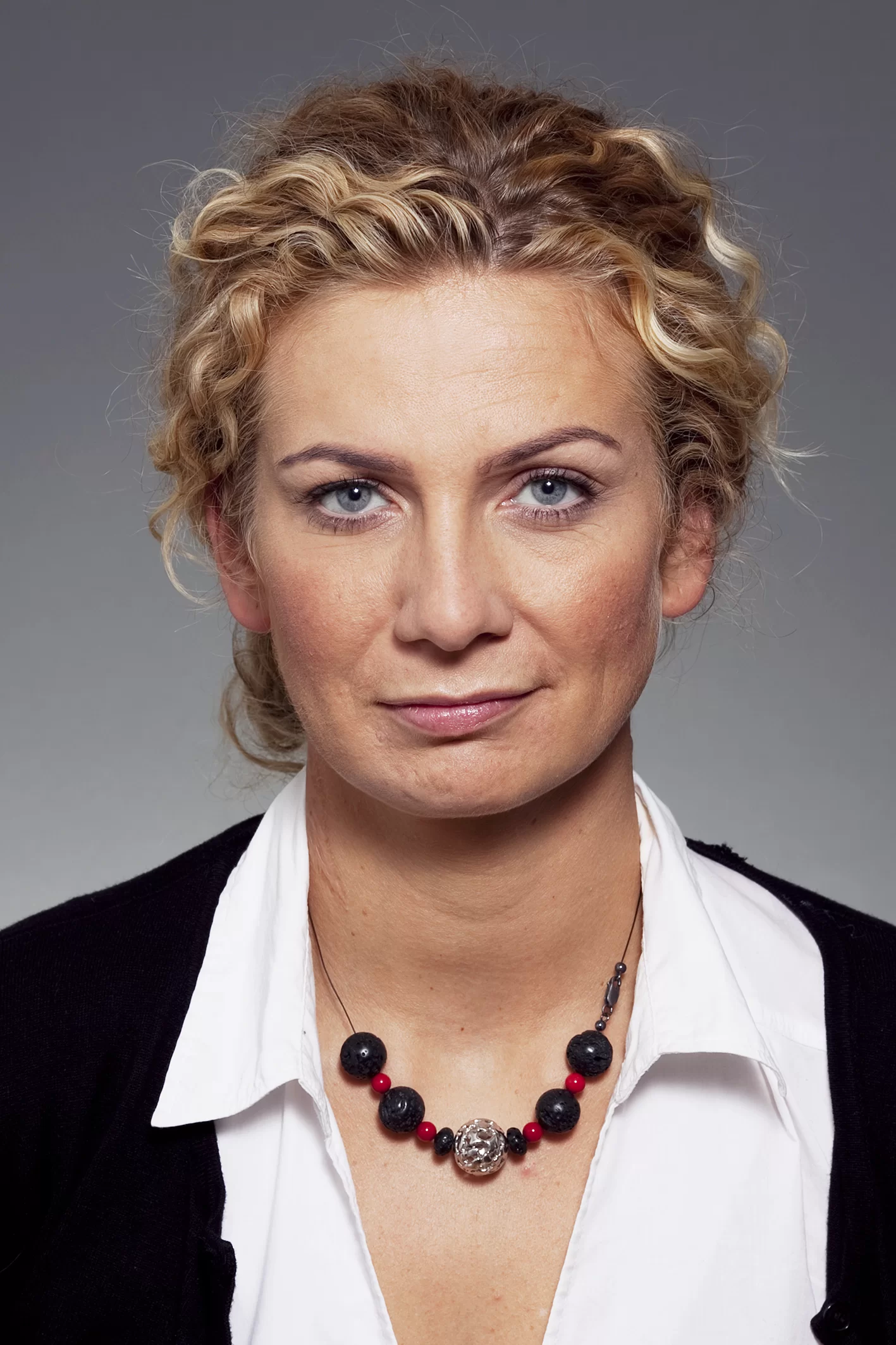
Linda Dröfn Gunnarsdóttir is the executive director of the Icelandic Association for Women's Shelters, which focuses on creating a safe space for women victims of gender-based violence. Due to her leadership and innovation, Linda's name appears on the BBC's 100 Women list, which recognizes women worldwide who are leaving a positive imprint on their communities and environments. In a country praised for its progressive gender equality initiatives, Iceland is globally admired as a paradise for women, but what Linda sees daily is women forced to flee their homes to escape male violence and systems that keep them victimized. Linda shares with us what she calls the “Nordic Paradox.”


