Judith A. Houck

Author | Professor of the History of Science at University of Wisconsin, Madison
I recently published "Looking through the Speculum: Examining the Women’s Health Movement". It’s a historical exploration that uses local stories to tell a larger story about the evolution of the women’s health movement, shedding light on the struggles and achievements of turning feminist ideals into real-world healthcare practices.
The women’s health movement was a wide-reaching effort aimed at increasing women’s understanding of their bodies, reproductive rights, and overall wellness. It was a political movement that believed bodily autonomy was essential to women’s liberation. It was also about building institutions focused on changing how women experienced medicine; it aimed to expand access to affordable healthcare free of barriers like homophobia, racism, and sexism. But the movement was not only about women’s bodies. It also encouraged activists to rethink their relationships with one another, to develop those connections for personal and political growth, and, ultimately, to identify and challenge the limits around womanhood.
As a historian of science and medicine at the University of Wisconsin–Madison, I conducted interviews with more than 75 health activists, including clinic founders and directors.
Growing up in Northern California with a Marine Biologist father who took me on field trips, and amid a feminist movement that challenged male dominance, I was raised to believe women could do anything they set their minds to. A life without limits. At least as much as any of us can have a life without limits, it's a fantasy, yet limits imposed by gender have always been clear to me, and I have always chafed against them. That’s why I continue working to challenge those boundaries. Making open doors for women who come after me has always been a priority.
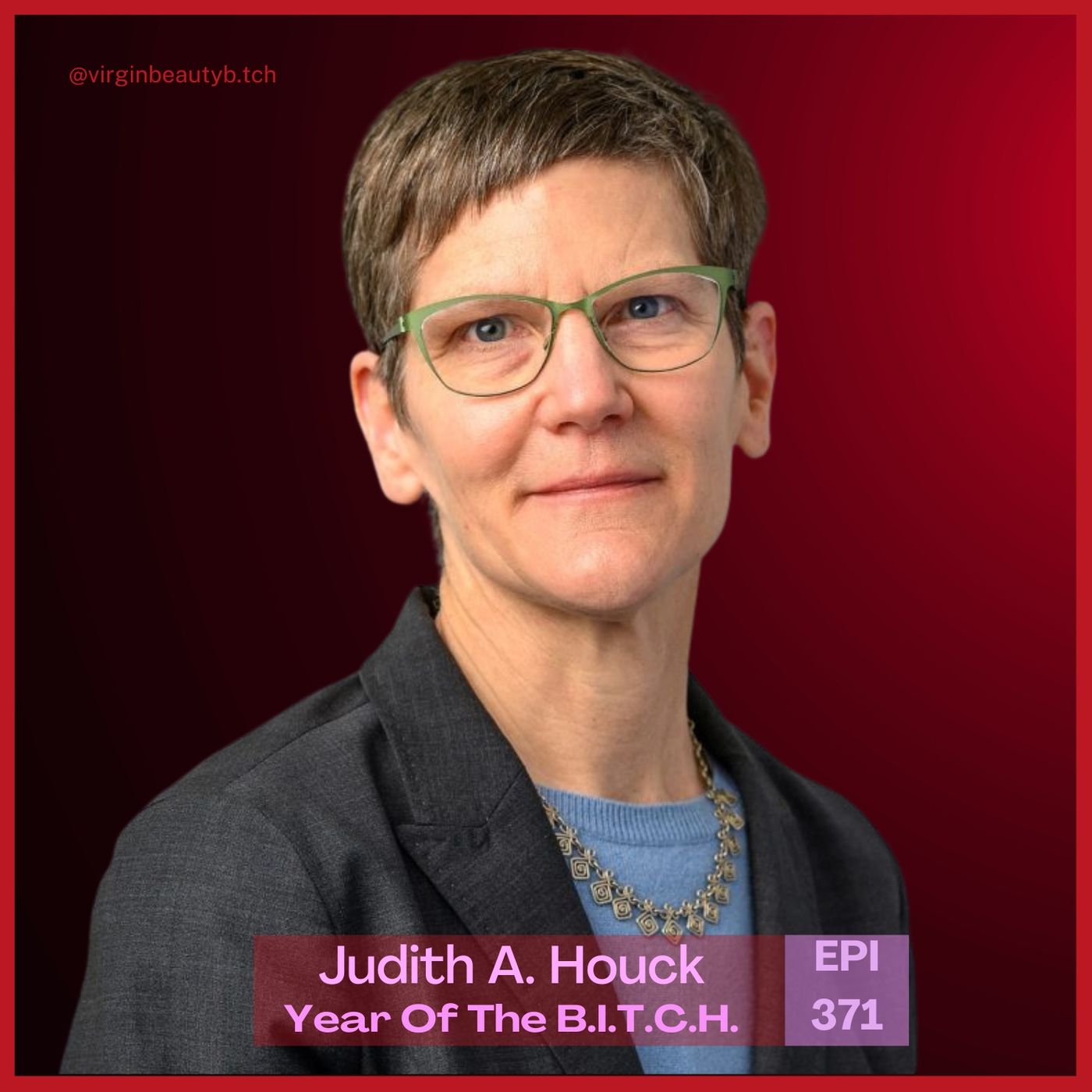
VBB 371 Judith A. Houck: Bitches Who Made Women-Centered Health Care …
Judith A. Houck, a professor and author of "Speculum: Examining the Women’s Health Movement,” shares the balls it took from “bitches” for women today to have agency, bodily autonomy, and women-centered choices inside male-dominated medical systems.